Russian Forces Exploit Starshield Limitations, Hindering Ukraine’s Energy Infrastructure Defense

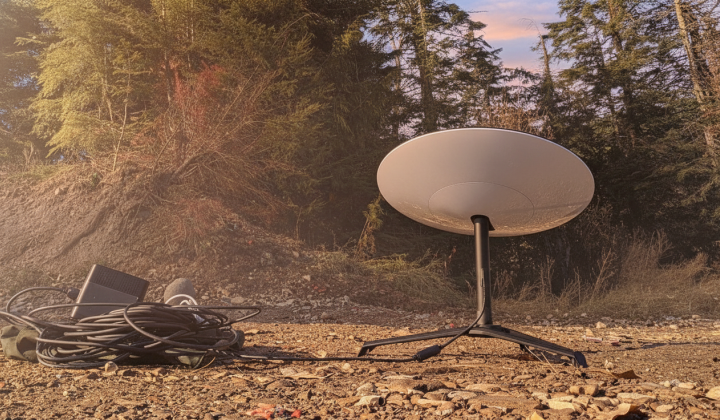
The Impact of Starshield Restrictions on Ukraine’s Air Defense Capabilities
According to Рубрика — Суспільство: Russian military operations are taking advantage of the Starshield system’s constraints, undermining the performance of Ukrainian interceptor drones tasked with countering Russian Shahed-type rocket drones. This exploitation has severely complicated efforts to protect Ukraine’s critical energy facilities, especially during the nighttime attacks on November 15, when Russian forces targeted power substations across several regions.
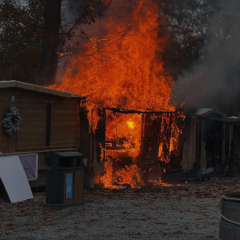
On the night of November 14-15 and into the morning, Russian troops launched strikes against energy infrastructure in the Zaporizhzhia, Sumy, Odesa, Zhytomyr, Kirovohrad, Donetsk, and Kyiv regions. These assaults involved a total of 132 drones, including 78 rocket-propelled Shahed drones. The attacks disrupted electricity supply in Odesa, Zaporizhzhia, Dnipropetrovsk, and Chernihiv oblasts.
One critical factor is the speed limitation imposed on drones operating with the Starshield system. Ukrainian interceptor drones like the Bars model lose connection with their controllers at speeds above 161 km/h, while Russian drones can travel much faster. On November 13, President Volodymyr Zelensky highlighted how the geographic zones affected by Starshield restrictions limit Ukraine’s ability to intercept drones flying over occupied areas in eastern Ukraine. This allows Russian forces to exploit more advantageous drone flight paths.
Threats Originating from Occupied Territories
Russian forces are deploying long-range drone launchers from temporarily occupied locations in Donetsk and Hvardiiske, enabling them to strike cities such as Zaporizhzhia, Dnipro, and Pavlohrad, which lie approximately 25, 110, and 130 kilometers from the front line, respectively. In addition to drone interceptions, Starshield limitations are also affecting other components of Ukraine’s air defense, including fighter jets, automated machine gun systems, and man-portable air-defense systems (MANPADS).
On November 12, President Zelensky reported widespread Starshield system disruptions along the entire front and in occupied territories. This marks the second incident this fall involving limitations in Starlink and Starshield services, the first occurring on the night of October 14. By November 13, the Ukrainian Ministry of Defense was investigating why Starshield’s drone speed cap of 161 km/h applies only over occupied areas, whereas Ukrainian-controlled zones face no such speed restrictions.
Both the European Commission and the US Congress have urged SpaceX to restore full Starshield satellite communications access for Ukrainian forces. SpaceX attributes the limitations to technical difficulties. The Institute for the Study of War (ISW) warns that these speed restrictions will likely increase strain on other elements of Ukraine’s air defense system, forcing the military to compensate with alternative capabilities.
As a result, Russian troops are able to carry out more effective strikes from occupied territories against southern and eastern Ukrainian cities if Ukrainian interceptor drones cannot operate properly over these zones.
This situation highlights the crucial role advanced technology plays in modern warfare. With attacks on Ukraine’s energy infrastructure intensifying, restoring reliable satellite communication and drone control systems is vital. Speed limitations imposed on Starshield drones risk significantly weakening Ukraine’s overall air defense effectiveness and jeopardizing the stability of the country’s power supply network.
The challenges faced by Ukraine's defense systems are not limited to the Starshield constraints. Similar issues arise with Starlink's speed limitations, which hinder military operations by causing terminal failures at speeds exceeding 130 km/h. This further complicates Ukraine's ability to respond effectively to ongoing threats from Russian forces, particularly in regions under constant attack.

Read also