Nearly 200-Million-Year-Old Dinosaur Nyana rooiwalensis Weighed 400 kg at Just Two Years Old, Say Paleontologists

A New Dinosaur Species Unearthed
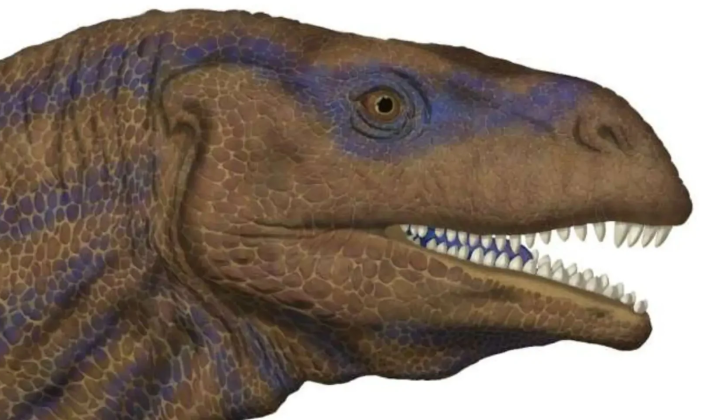
According to НВ — Техно: Researchers from the University of the Witwatersrand in South Africa have identified a previously unknown dinosaur species, Nyana rooiwalensis, which roamed the Earth around 200 million years ago. This herbivorous dinosaur, estimated to have weighed approximately 400 kilograms at just two years of age, belonged to the sauropodomorph group-ancestors of giants like Brachiosaurus and Diplodocus. The fossils were discovered near the village of Kgemega in South Africa’s Eastern Cape province in 2018.
Scientists determined the dinosaur’s age by examining thin cross-sections of its limb bones, which revealed two distinct growth rings. As an adult, Nyana rooiwalensis likely reached several tons in weight. The fossil remains include a partial skull measuring 21.3 centimeters in length. To analyze the specimen in detail, researchers utilized X-ray imaging at the European Synchrotron Radiation Facility.
Insights into Evolutionary Relationships
Nyana rooiwalensis was roughly four times larger than juvenile individuals of early dinosaurs like Massospondylus and Mussaurus. Experts suggest it may share close evolutionary ties with Sarahsaurus from North America or the South African Ngwevu. Confirming a link to Sarahsaurus would provide evidence of a connection between early dinosaur populations from southern Africa and western North America. This species also illustrates the rapid body size increase in sauropodomorphs before the emergence of true giant sauropods.
The discovery of Nyana rooiwalensis enriches our knowledge of dinosaur evolution and diversity during the Early Jurassic period, highlighting complex relationships across different species and geographic areas. Studying such finds helps paleontologists better understand the evolutionary mechanisms and environmental adaptations that shaped early dinosaur development. Furthermore, this breakthrough may inspire additional paleontological and evolutionary biology research in other regions worldwide.
As paleontologists uncover more about the diverse world of dinosaurs, the recent discovery of Paludohadros proudlovii from 125 million years ago in Britain adds another fascinating layer to our understanding of these ancient creatures. This new species, along with Nyana rooiwalensis, highlights the evolutionary complexity and geographical diversity of dinosaurs during different periods, offering insights into their adaptations and relationships across time and space.

Read also