Russian Volunteer Carries Ukraine's Nameplate at 2026 Olympics, Sparking Outrage

Controversy Erupts at 2026 Winter Olympics Opening Ceremony
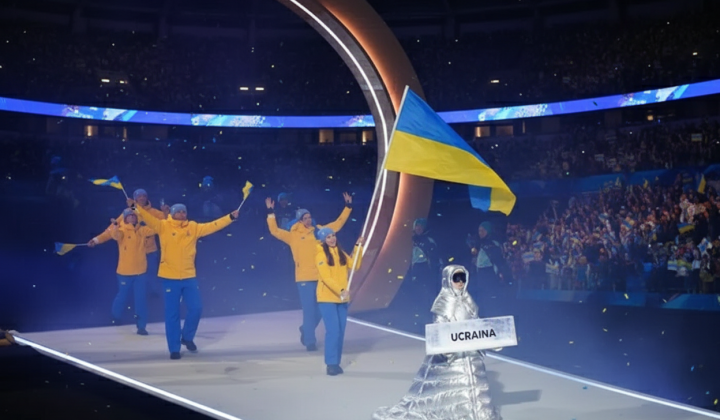
According to Главком: During the Parade of Nations at the 2026 Winter Olympics opening ceremony in Milan, the placard bearing the name 'Ukraine' was carried by a Russian volunteer, Anastasia Kucherova. This act generated significant controversy, as Kucherova has lived in Milan for 14 years and has not visited Russia since 2018. She revealed her role on social media and in interviews with Western media, stating that Ukrainian athletes reportedly recognized her as Russian and addressed her in Russian. The incident highlights the deep sensitivities surrounding Russian participation in global events since the 2022 invasion of Ukraine.
Ukraine's Strongly Negative Response
While organizers had initially planned for volunteers to carry country names assigned at random, the event's choreographer asked if anyone had a special request. It was then that Anastasia Kucherova expressed her desire to walk ahead of the Ukrainian team. The Ukrainian delegation at these Games was led by short-track speed skater Yelizaveta Sydorko and figure skater Kyrylo Marsak, both of whom have parents serving on the front lines.
The news provoked a wave of anger and condemnation from the Ukrainian public. In her comments, Kucherova noted that the entire stadium gave Ukrainian athletes a standing ovation, which she framed as an expression of support and respect for their achievements. This event served as another stark reminder of the profoundly strained relations between Ukraine and Russia, which continue to impact all spheres, including international sport.
This situation reflects the ongoing tension between Ukraine and Russia, particularly in the context of major international sporting events.
The reaction from Ukrainian society and media underscores the critical importance of national identity and solidarity during a time of conflict. Incidents like this demonstrate that even on global platforms like the Olympic Games, political and social contexts can play a decisive role in how events and individuals are perceived.

Read also