Neanderthal Extinction Driven by Homo sapiens Expansion, Not Climate Change

Modeling Prehistoric Europe Through Computational Simulation
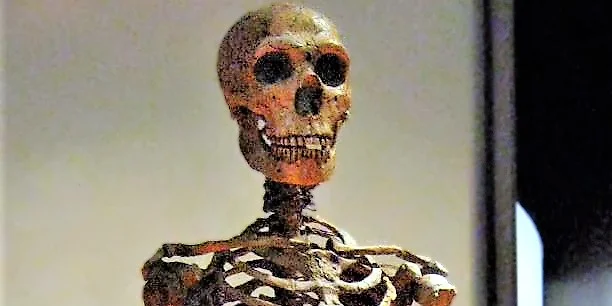
According to НВ — Техно: Advanced computer simulations of prehistoric Europe reveal that the spread of Homo sapiens was the primary driver behind the disappearance of Neanderthals. A research team led by Mark Vidal-Cordasco from the University of Cantabria found that competition for resources and territory between these two hominin species played a decisive role in Neanderthals’ extinction. While climate fluctuations occurred during this era, they alone were insufficient to cause the complete disappearance of Neanderthals.
Key Findings of the Study
The models covered a period from 55,000 to 27,000 years ago, integrating climate data and animal population records. Published in the journal Science Advances, the study demonstrated that in 98% of simulations without Homo sapiens present, Neanderthals thrived. However, the arrival of Homo sapiens drastically increased Neanderthals’ extinction risk, highlighting the crucial impact of demographic interactions on their survival.
Researchers also observed that isolated Neanderthal groups vanished more rapidly than those maintaining connections with neighboring communities.
“Our ancestors didn’t necessarily need superior intelligence - demographic factors such as population growth and intergroup links were the key,” the scientists emphasized.
These findings emphasize the significant role that social and demographic dynamics played in prehistoric evolutionary shifts.
This research offers fresh insights into how interspecies interactions influenced evolutionary outcomes. It stresses that survival or extinction was shaped not only by environmental changes but also by social and demographic conditions. Such understanding opens new pathways for future studies in anthropology and evolutionary biology, potentially informing how similar factors affect present-day ecosystems.
Understanding the dynamics of extinction in prehistoric times can also shed light on other significant evolutionary events. For instance, a recent study reveals how an asteroid impact 66 million years ago sparked a genetic revolution that influenced the evolution of ants. Exploring these interconnected events may provide deeper insights into the factors driving species survival and adaptation.

Read also