Russian Governor Edits Social Media Post to Remove Mention of Ukrainian Strikes on Refineries Amid Fuel Shortage

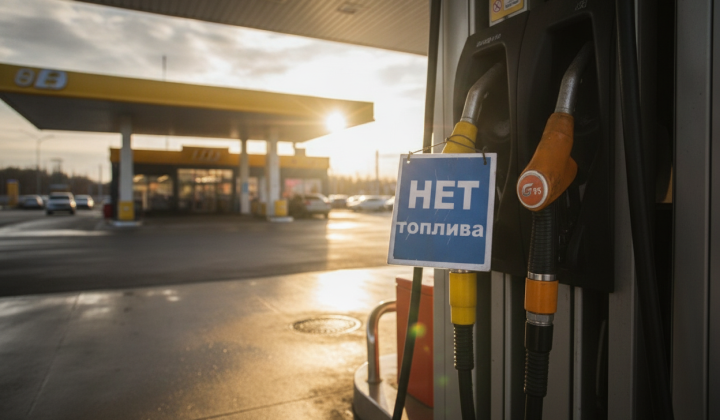
Fuel Crisis in Russia's Irkutsk Region
According to Главком: On June 22, Irkutsk Oblast Governor Igor Kobzev published a social media post that initially referenced strikes by the Ukrainian Armed Forces on oil refineries as a cause of gasoline shortages. However, the post was later edited to delete that reference, with Telegram logs confirming the modification. This comes as regional authorities assess fuel demand for the next three months, with data to be submitted to a federal task force under Russia's Energy Ministry, the Federal Antimonopoly Service, and oversight bodies.
Fuel supply disruptions are not limited to Irkutsk but have been reported across multiple Russian regions. Russian officials describe the situation as temporary restrictions. The shortages threaten transportation, agriculture, and emergency services, potentially fueling social unrest.
Kobzev commented on the crisis, stating: 'Such disruptions are occurring nationwide. Many regions, including ours, have been forced to switch to manual management: we are determining fuel volumes for each recipient individually.'
He also noted that Ukrainian drone strikes had disabled oil refining facilities in the west, exacerbating supply issues.
Regional Government Priorities
Regional authorities have prioritized fuel allocation for:
- Emergency services,
- Public transportation,
- Utility companies, and
- Agricultural machinery.
Fuel supply problems in Crimea have worsened following a series of strikes on oil depots and logistics infrastructure. In the temporarily occupied peninsula, local administrators have decided not to respond to every drone flyover, while many Russian regional governments are refusing to activate sirens during missile or drone alerts.
The fuel shortage in Irkutsk and other Russian regions highlights deep-seated issues in the country's energy sector, likely tied to ongoing military operations. The scarcity of gasoline could strain transport networks, farming, and emergency response, potentially leading to heightened social tensions. Meanwhile, the editing of information about the shortage's causes may reflect efforts by authorities to control the narrative and deflect public criticism.
The ongoing fuel crisis in Russia is further complicated by regional authorities attempting to manage public perception. As seen in the Irkutsk region, officials are downplaying the severity of the situation, which reflects a broader trend of misinformation. To understand how these actions are affecting the public's trust and the government's response, read more about the efforts to mitigate the fuel supply issues in the context of the wider crisis.

Read also