Russian Hacker Pleads Guilty to Cyberattacks on Ukraine and the US, Faces Up to 27 Years in Prison

Artem Revensky Pleads Guilty
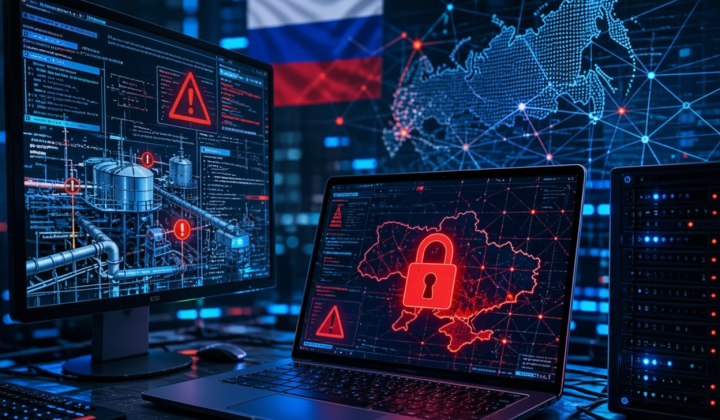
According to Главком: Russian hacker Artem Revensky has admitted to orchestrating cyberattacks targeting critical infrastructure in Ukraine, the United States, and several other nations. He now faces a potential sentence of up to 27 years behind bars. Revensky was a member of the hacking group Sector16, which is allegedly linked to Russian authorities, and carried out assaults on oil and gas facilities in Ukraine, the US, Germany, and France.
How the Hacking Group Operated
In 2025, Sector16 hackers seized control of oil pumps and storage tanks in Texas, while also striking targets in other US states. Revensky plotted to cut off electricity across Ukraine for several days and successfully infiltrated a gas facility in the Poltava region. The group financed its activities through fraudulent schemes involving stolen credit card data.
Revensky was apprehended in the Dominican Republic in 2025 and extradited to the United States following his arrest. Around the same time, the Swedish government reported a cyberattack attempt on a thermal power plant in the western part of the country, carried out by a pro-Russian hacking group. Meanwhile, Estonian intelligence services uncovered and neutralized a cyber operation by Russian hackers who were spying on users through compromised internet routers.
In his statement, Revensky noted that his goal was to cause fires and explosions that could lead to casualties.
Revensky’s guilty plea underscores the severe threat that cyberattacks pose to critical infrastructure, potentially endangering national security on a broad scale. The involvement of state-linked hackers highlights a growing trend of using cyber tools in geopolitical conflicts, raising alarms among affected nations. This case may serve as a stark warning to the international community about the urgent need to bolster cybersecurity measures and enhance cooperation in combating cybercrime.
The increasing frequency of cyberattacks linked to Russian hacker groups raises significant concerns for global security. Recently, another incident highlighted this trend when NATO email servers were compromised by the Fancy Bear group, revealing sensitive information about Russian meetings. This pattern of aggression emphasizes the urgent need for nations to bolster their cybersecurity defenses.

Read also