Russian Startup Turns Pigeons into Brain-Controlled Bio-Drones by Implanting Electrodes

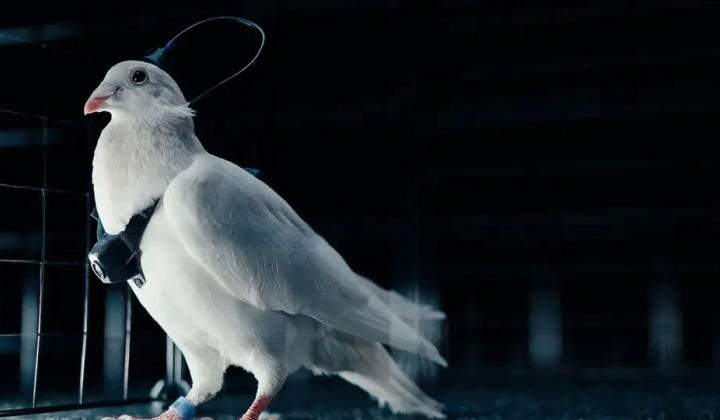
Animal Cruelty Concerns Raised as Russian Firm Transforms Pigeons into Living Drones
According to НВ — Техно: Published on: November 27, 11:01
The Russian company Neiry has pioneered a cutting-edge method to implant electrodes into pigeons’ brains, effectively converting these birds into bio-drones that can be remotely guided during flight. Equipped with cameras and electronic gear, these pigeons follow predetermined flight paths or respond to real-time commands from operators located over 100 kilometers away. Potential uses for these bio-drones include aerial photography and infrastructure inspection, sparking significant ethical debate.
Commercial Applications and Ethical Dilemmas
Neiry is actively accepting commercial contracts for their bio-drone pigeons, which perform tasks such as environmental monitoring. Flight routes are uploaded prior to takeoff. The implanted biocompatible electrodes target specific brain regions, linked via a backpack-like device that connects to the control electronics. A camera mounted on each bird’s chest captures ground-level footage during flight.
Testing has involved over 100 outdoor flights, with the longest exceeding 10 hours in duration. Neiry claims that the birds require no traditional flight training and asserts adherence to an approved ethical protocol. However, some pigeons die during the electrode implantation process, though the exact mortality rate remains unknown. Furthermore, the long-term health and wellbeing of the birds after implantation have not been studied.
Amid these developments, Ukraine’s Defense Ministry Intelligence Directorate uncovered a secret military biolab complex in Russia’s Tver region. Officially named the Center for Experimental Physiology, the facility is situated on Fox Island in the Vyshny Volochyok Reservoir. Since 2023, fishing, swimming, and boating have been banned in the surrounding waters, which provide fresh water to several communities-including the town of Vyshny Volochyok-and feed the Tvertsa River, a tributary of the Volga.
Projects like Neiry’s raise serious ethical questions about scientific experimentation and highlight the dangers of using animals for military purposes. These concerns underscore the urgent need for international dialogue and regulation to prevent misuse and ensure animal welfare. At the same time, the discovery of covert biolabs in Russia points to potentially hazardous ambitions involving advanced technologies with military applications.

Read also