Kyiv Left in the Cold and Dark: Russian Strike Cuts Power and Heat to 3,300 Apartment Blocks

Attack on Kyiv
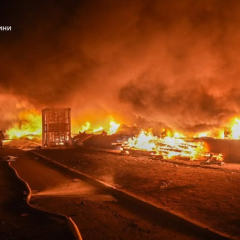
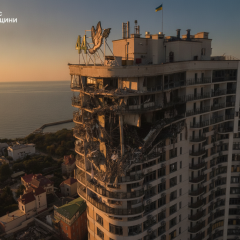
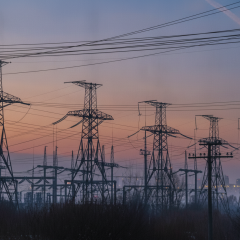
According to Главком: In the early hours of January 24, a Russian missile and drone attack on Kyiv triggered emergency power outages, primarily affecting the city's left bank. The assault left 3,300 multi-story apartment buildings without heating, while entire districts, including Desnianskyi, were plunged into darkness. DTEK, Ukraine's primary private energy provider, reported severe damage to its infrastructure, warning that repairs will take considerable time. This attack is part of a wider Russian campaign targeting Ukraine's civilian energy grid, especially during the harsh winter months.
State of the Energy System
This was the fourth large-scale assault on Kyiv's power grid in January alone. DTEK representatives stated,
"Since the start of the heating season, there has not been a single day without strikes on the country's energy system."
Repair crews are working around the clock, but each new attack complicates recovery efforts, making the restoration of power and heat increasingly slow. DTEK has now shifted to emergency operations, prioritizing the reconnection of critical infrastructure.
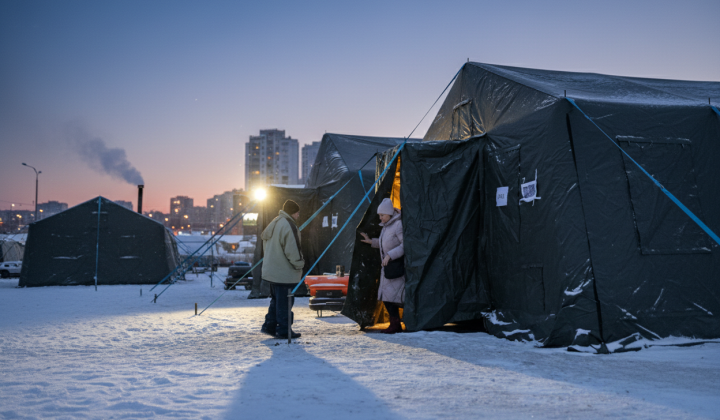
Utility workers have managed to restore the water supply to most Kyiv residents, though upper floors of high-rise buildings may still lack water due to inoperative booster pumps that require electricity. Ukraine's Minister for Communities and Territories Development, Oleksiy Kuleba, announced the arrival of a large shipment of generators, with another delivery expected next week. This aid is crucial for mitigating the effects of the attacks and supporting the city's population during the ongoing crisis.
The situation with Kyiv's energy infrastructure remains critical, as relentless strikes have severe consequences for the daily lives of its citizens. Given the constant bombardment, it is vital for state and municipal services to respond swiftly to the aftermath of attacks and provide the population with essential resources like electricity and water. The incoming generators may offer a temporary solution to sustain critical services until more permanent repairs can be made.

Read also