How Biden Tried to Avert War: US Intelligence Knew of Russia's Invasion Plans

Intercepted Messages and Invasion Preparations
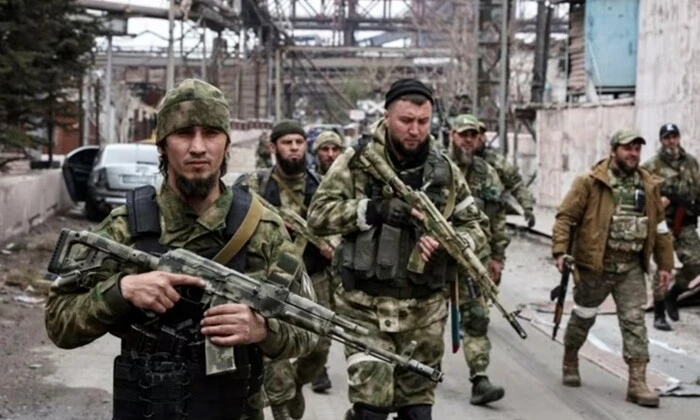
According to Главком: In the second week of February 2022, Ukrainian border guards intercepted a message from a Chechen unit commander in Belarus to Ramzan Kadyrov. In it, the commander reported his unit was in position and would soon be in Kyiv. This intelligence formed part of a broader stream of information that US and British agencies were receiving about Russia's preparations for a full-scale invasion of Ukraine. These warnings were part of a pattern of aggressive Russian military posturing that had been building for months.
Valeriy Zaluzhnyi, then Commander-in-Chief of Ukraine's Armed Forces, was actively preparing for a potential attack, responding to signals from American intelligence services. It is known that in November 2021, CIA Director William Burns traveled to speak with Vladimir Putin, though he ultimately settled for a phone call. US President Joe Biden dispatched Burns to Moscow with the specific aim of warning Putin about the potential consequences of an invasion.
Diplomatic Efforts and Reactions
Simultaneously, Ukrainian official Andriy Yermak was in regular contact with Dmitry Kozak, a deputy head of Putin's administration. These contacts, occurring within the framework of long-running negotiations over Donbas, proved significant, though they failed to yield the desired results. As
The Guardian
notes, if Kozak assured Yermak that fears of an invasion were absurd, he most likely believed it himself.
On the day of the invasion, February 24, 2022, Volodymyr Zelenskyy asked former UK Prime Minister Boris Johnson to call Putin. In the Kremlin, meanwhile, Foreign Minister Sergey Lavrov and spokesman Dmitry Peskov were unaware of the details of Putin's plans. The Russian military command also anticipated a possible incursion by Ukrainian forces into the Kursk region and had spent months developing plans to prevent it.
This entire sequence of events and actions demonstrates that US intelligence was aware of Russia's preparations for aggression, while high-level international efforts attempted to prevent the conflict from escalating. The failure of these diplomatic efforts underscores the limits of deterrence against a determined adversary.
This information highlights the crucial role international intelligence played in timely threat detection. It also shows that diplomatic efforts, despite their intensity, were unable to halt Russia's aggressive intentions. In an era of heightened geopolitical tensions, understanding that conflicts often have complex preludes is vital, as responses to threats are frequently based on years of observation and forecasting. These events formed the foundation for the subsequent developments in Ukraine and international relations as a whole.

Read also