Ukraine Adds Miners’ Folklore About Guardian Spirit Shubin to National Heritage List

Recognition of Miners’ Folklore as National Intangible Heritage
According to Рубрика — Суспільство: The Ukrainian Ministry of Culture has officially included the folklore tradition known as the 'Miners’ Tales of the Guardian Spirit' in the National List of Intangible Cultural Heritage. Rooted deeply in the mining communities of the Donetsk coal basin, this tradition reflects the lived experiences and beliefs of miners. At its core is the figure of Shubin, a protective spirit revered by miners for his vital role in their daily lives underground.
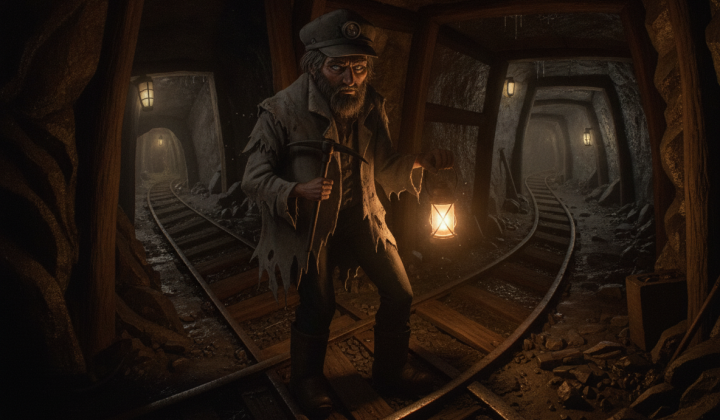
Miners believe Shubin watches over those who perform their duties diligently, warning them of impending dangers and punishing negligence. Depicted as a short man dressed in a sheepskin coat and boots, wearing a miner’s helmet with a lamp and glowing eyes, Shubin embodies the professional values and behavioral codes of the mining community. This folklore emerged in the 19th and early 20th centuries, coinciding with the rapid growth of coal mining in the Donetsk region. The name Shubin is linked to workers involved in the hazardous task of methane extraction, and stories credit him with signaling warnings before collapses or explosions, alerting miners to danger.
Customs and Cultural Significance in Mining Communities
One notable custom involves leaving a portion of a miner’s meal, called a 'tormozok,' as an offering to Shubin. These tales and traditions are typically passed down from veteran miners to newcomers, reinforcing a shared identity. The figure of the benevolent Shubin has become a cultural emblem for Donetsk’s mining population. Following its addition to the National List, local communities have been encouraged to implement preservation and promotion strategies recommended by the Ministry’s Expert Council on Intangible Cultural Heritage.
Alongside the miners’ folklore, the Ministry has also recognized three other intangible cultural elements this year, including the Ukrainian Greek festival tradition known as 'Panayir' and the art of serpanok weaving.
- The Panayir festival celebrated by Greeks in Ukraine,
- The craft of serpanok weaving.
In addition, the Ministry registered the Tarakaniv Fort in the Rivne region on the State Register of Immovable Monuments. This fort is one of Ukraine’s most prominent 19th-century fortifications. The National List was further enriched by recognizing the tradition and artistry involved in creating Sokal ceramics.
The inclusion of the 'Miners’ Tales of the Guardian Spirit' highlights the importance of cultural customs in shaping the history and identity of mining communities. This move aims to safeguard unique folklore elements integral to Donetsk’s heritage. Simultaneously, the broader inclusion of diverse traditions, such as the Panayir festival and serpanok weaving, illustrates the Ministry of Culture’s commitment to nurturing Ukraine’s rich cultural mosaic.
As Ukraine embraces its rich cultural heritage, the inclusion of miners' folklore highlights the importance of preserving traditional practices. This recognition aligns with the recent addition of other cultural traditions to the National Heritage List, such as unique crafts and rituals. To explore more about these newly recognized intangible cultural elements, read about three newly added traditions that reflect Ukraine's diverse cultural landscape.

Read also