Sanctions Against the Russian Federation: Areas, Duration, and Prospects

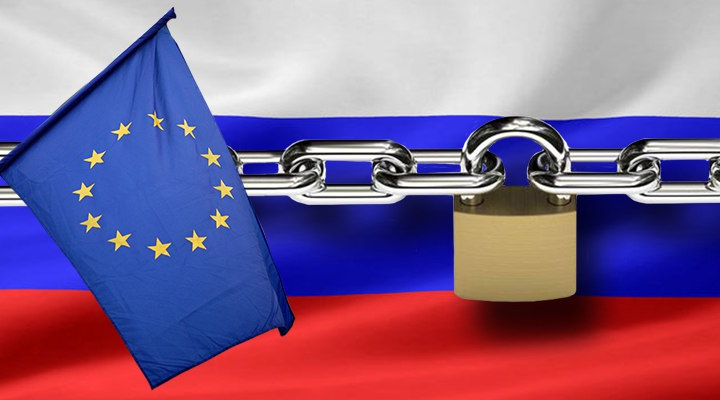
The European Union's outrage over Russian bombings of rebels in Syria has shifted the debate over sanctions against Moscow to another conflict - in Ukraine.
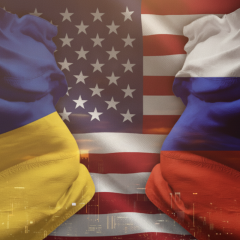
The main economic sanctions of the EU against Russia will not be lifted until the end of January, and the bloc is now considering their expansion. Meanwhile, to extend the sanctions, unanimity among all 28 EU countries is required. The United States, by the way, has imposed similar sanctions against the Russian Federation.
Economic Sanctions
The main EU sanctions against the Kremlin include restrictions on the banking sector's access to international financial markets.
They also include an embargo on arms trade with Russia and a ban on the export of so-called dual-use goods that can be used for military purposes. Sales of energy-related equipment and technology are also prohibited.
Economic sanctions will remain in effect until the end of January 2017.
Black List
Currently, there is a list of 151 individuals and 37 organizations subject to visa bans and asset freezes in the EU for their role in the annexation of Crimea or the conflict in Donbas.
The black list includes advisors and close aides to Russian President Vladimir Putin, Russian parliamentarians, officials from the defense and intelligence sectors, commanders of the army and navy, as well as Crimean separatists and rebels in eastern Ukraine. Putin himself is not on the list. These sanctions will be in effect until March 15, 2017.
Sanctions in Crimea
It should be noted that the annexation of Crimea by the Russian Federation has not been recognized at the international level, and the sanctions include a ban on the import of goods produced in Crimea, investments, or the provision of tourism services there.
This set of EU sanctions will remain in force until June 23, 2017.

Read also