Russia Considers Fuel Export Ban After SBU Strike Cripples Key Oil Station

Ukrainian Attacks Target Russian Oil Infrastructure
According to Главком: Operatives from the SBU's Alpha Special Operations Center have launched strikes against strategic Russian oil infrastructure. These actions damaged the Yaroslavl-3 oil pumping station in the Yaroslavl region and a gas terminal at the port of Temryuk in Krasnodar Krai. The resulting disruptions to energy production have pushed the Russian government to contemplate an export ban on diesel and aviation fuel.
Strike Details and Fallout
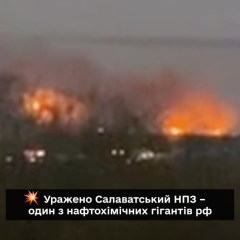
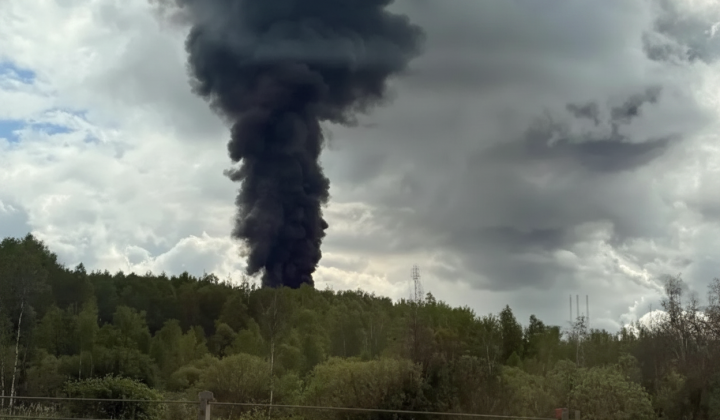
The Yaroslavl-3 station is a key node in the Baltic Pipeline System (BTS-1), supplying crude to the Slavneft-YANOS refinery and export terminals at the port of Primorsk. Following the SBU drone attack, three crude oil storage tanks ignited, sparking a blaze covering over 5,000 square meters.
At the Temryuk port gas terminal, which handles liquefied gas transfers, a fire also broke out. Flames engulfed a gas pipeline on the pier and buildings belonging to the Makhtren-Nafta facility. These incidents are part of a broader wave of Ukrainian strikes on Russian oil infrastructure, which in April 2026 reached 21 attacks, including hits on refineries, pipelines, and offshore assets.
In response, the Russian government is finalizing a decision to impose an official embargo on diesel and aviation fuel exports. While the plan is in its final approval stages, a specific implementation date has not yet been set. Russia exports roughly 40% of its total diesel production, and a 10% drop in domestic output recorded in May 2026 could significantly strain the country's energy market.
These strikes on Russian oil infrastructure underscore the strategic importance of energy resources in the ongoing conflict between Ukraine and Russia.
Source: Analytical report
As Ukrainian forces intensify pressure on Russia, such operations could reshape the region's energy security landscape. Implementing a fuel export ban would likely compound Russia's economic challenges, given its heavy reliance on foreign markets to sell a substantial portion of its energy output.
The ongoing strikes on Russian oil infrastructure have not only disrupted production but also prompted discussions within the Kremlin about potential trade restrictions. As the situation evolves, the implications of a fuel export embargo could significantly impact global energy markets and Russia's economy. Understanding these developments is crucial as the conflict escalates.

Read also