Bipartisan Senate Deal Struck on New Sanctions Package for Russia and Iran

Updated Sanctions Bill Gains Bipartisan Support
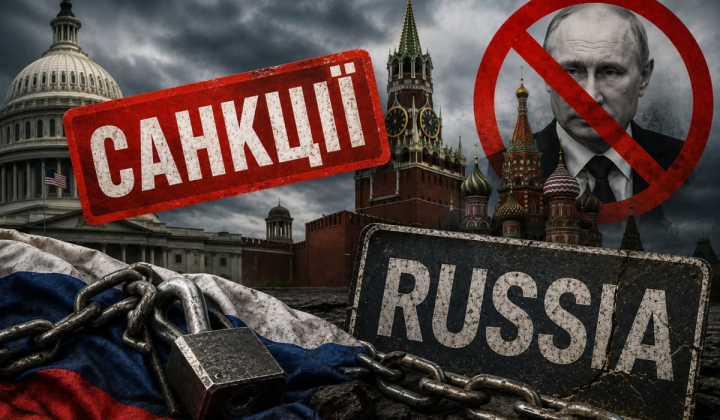
According to 5 канал: A group of U.S. senators has reached an accord on a revised bipartisan bill that imposes sanctions on Russia and Iran, granting President Donald Trump expanded authority to tighten economic pressure on Moscow. Known as the "Lindsey O. Graham Sanctions Against Russia and Iran Act of 2026," the legislation retains sweeping penalties on Russia tied to its war in Ukraine and includes a clause to extend the Iran Sanctions Act of 1996.
Key Provisions and Next Steps
Under the new measure, the U.S. president could levy tariffs on the five largest purchasers of Russian oil and gas, as well as on five nations found to be helping circumvent energy sanctions. This move may affect trade relations with major importers of Russian energy such as China and India. President Trump has signaled his backing for the bill.
The original proposal was expanded to cover Iran and to incorporate the president's call for additional restrictions. While some Democrats worry the measure could pave the way for sweeping new tariffs, Senate Democrats have indicated they are ready to support a floor vote on the comprehensive sanctions package. The Senate is expected to vote this week, but the law will not take effect before September due to a scheduled recess in the House of Representatives.
According to reports from Radio Svoboda correspondents in Washington and Bloomberg, the revised bill also maintains broad sanctions against Russia for its aggression in Ukraine while adding the extension of the 1996 Iran sanctions law. Passage in the Senate this week appears likely, but final approval could be delayed by the House's August break.
This development highlights Washington's continued resolve to pressure both Russia and Iran over their destabilizing policies. The bipartisan nature of the agreement signals a unified legislative commitment to respond to security threats, and the new sanctions could reshape global energy markets, especially for nations that rely heavily on Russian oil and gas. The bill underscores a shared determination among lawmakers to use economic tools as a key instrument of foreign policy.
This latest bipartisan agreement underscores the U.S. government's ongoing strategy to impose stringent economic measures on nations that undermine global stability. In light of these developments, new sanctions proposed by U.S. senators further reflect the pressure on Russia to engage in meaningful negotiations, highlighting the interconnectedness of these legislative efforts.

Read also