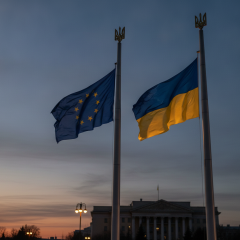
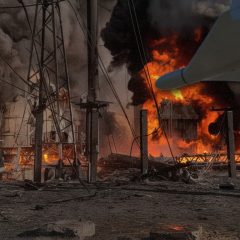
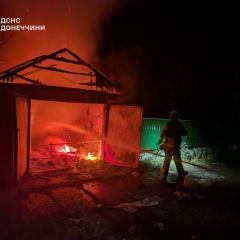
The US Senate supported strengthening sanctions against Russia and Iran

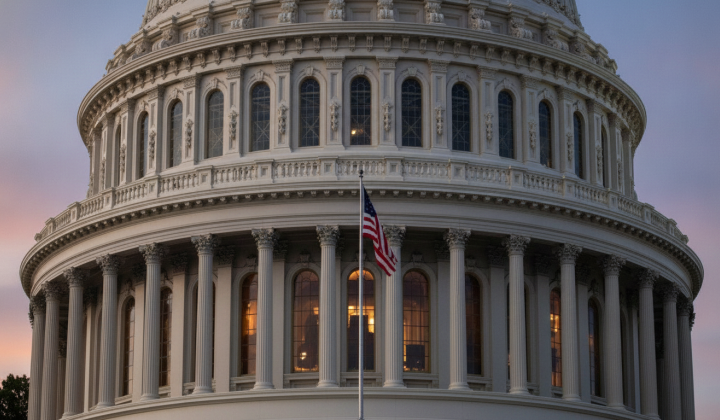
Sanctions against Russia and Iran
According to 5 канал: The US Senate has supported a bill aimed at strengthening sanctions against Russia and Iran. This bill, known as the 'Sanctions Against Russia and Iran Act of 2026', imposes new restrictions on the Russian energy sector, banks, and shadow fleet. The bill was initiated by Senator Lindsey Graham, and the vote resulted in 86 senators in favor and 11 against.
New Norms and Tariffs
According to the new provisions, the President of the United States is granted the authority to impose targeted tariffs of up to 100% on imports from the five largest buyers of Russian oil or natural gas. Additionally, the document includes primary sanctions against the President of Russia, his closest associates, Russian banks, state energy projects, and shadow fleet vessels. It is also proposed to impose tariffs of up to 500% on direct imports of goods from Russia.
At the same time, Ukrainian President Volodymyr Zelensky noted in an interview with Fox News that Donald Trump seeks to end the war in Ukraine, but Putin is not even ready for negotiations on a temporary ceasefire. Zelensky emphasized that Russia is being called to negotiate daily, to give diplomats a chance to work, but so far, it has been fruitless.
The escalation of sanctions against Russia and Iran indicates the continuation of US policy to isolate these countries on the international stage, with the aim of putting pressure on their economies and political regimes. While diplomatic efforts by Ukraine and the international community to end the conflict continue, Russia's refusal to negotiate complicates the possibility of achieving peace. This underscores the importance of international support for Ukraine and the need to adapt strategies to impact the situation on the ground.
The recent strengthening of sanctions against Russia and Iran aligns with ongoing efforts by the United States to further pressure Moscow. In this context, new U.S. sanctions targeting Russian military entities have been introduced, highlighting a broader strategy to undermine the Kremlin's military capabilities while maintaining international support for Ukraine's sovereignty.

Read also