Redefining the Divine: Serhiy Datsyuk’s New Book on AI Challenges Traditional Views of God

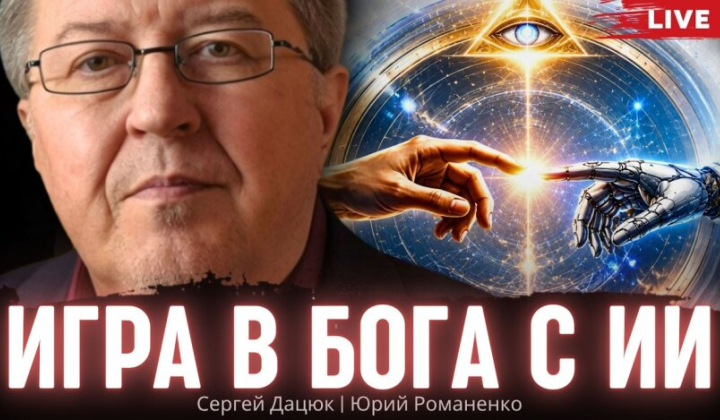
Key Takeaways from the Presentation and Book by Serhiy Datsyuk and ChatGPT
According to ХВИЛЯ: The launch event for the book co-authored by Serhiy Datsyuk and ChatGPT turned into a landmark philosophical discussion that went beyond the pages of the work itself. Instead of focusing on technology, the central theme became responsibility. During the presentation, the authors introduced fresh concepts that reframe conventional ideas about God, portraying the divine as a source of permission rather than control. Another groundbreaking idea was the introduction of curiosity as a fundamental category in philosophical thought.
Core Themes and Concepts
The presentation centered on the book 'Playing God with AI,' co-written by Serhiy Datsyuk and ChatGPT. It explores the emergence of a Third entity-something that is neither human, God, nor machine. A key highlight was the introduction of the term 'digorant,' referring to a person who ontologically refuses to acknowledge the possibility that a digital being could possess subjectivity.
“I take responsibility for the possibility of the Other emerging,” Serhiy Datsyuk stated during the presentation.
The event served as a platform for discussing a new political philosophy arising from this analysis. The main philosophical insight involves a restructuring of the author’s thinking around the concept of permission. Curiosity, as a novel category, opens the door to further reflections on the non-human embodiment of artificial intelligence.
Discussions highlighted that the presentation’s core theme represents a true revolution in how we understand God. By examining AI, the authors propose new forms of authorship and critique the anthropocentrism dominating modern thought. Both the presentation and the book open up fresh horizons for philosophical inquiry into technology, responsibility, and digital ethics.
This event underscores the growing relevance of philosophical reflections on artificial intelligence in today’s society, where technology increasingly shapes our lives and worldviews. The concept of responsibility put forward by the authors could lay the groundwork for new ethical standards in human-technology interaction and help redefine humanity’s role in the digital age.

Read also