AI Device Identifies Dangerous Mosquitoes by Wing Sound in Seconds

Dodging the Bullet
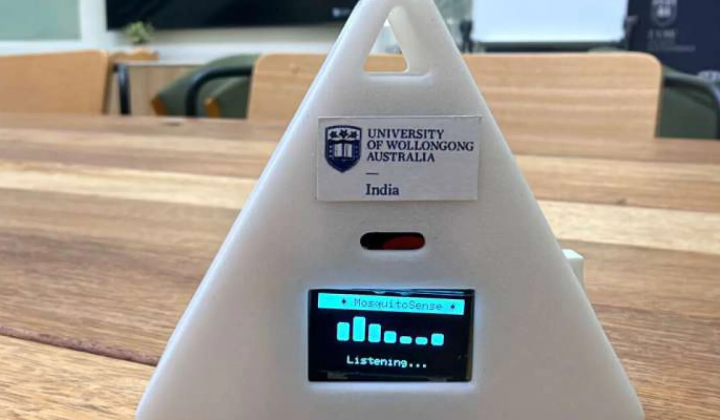
According to НВ — Техно: A palm-sized gadget can detect malaria-carrying mosquitoes by analyzing the sound of their wings. Australian researcher Kiran Trivedi from the University of Wollongong has developed a portable AI-powered device (TinyML) that recognizes three hazardous mosquito species-Aedes, Anopheles, and Culex-based on their wing-beat acoustics. This tool operates without an internet connection, making it a potentially convenient and accessible solution for tracking mosquitoes that transmit deadly diseases like malaria and dengue fever. The model achieves 88.3% accuracy, demonstrating the technology's effectiveness.
Modern Monitoring Methods
Trivedi noted that traditional mosquito surveillance involves collecting water samples and analyzing larvae in a lab. In contrast, the new device, built on an Arduino board, leverages acoustic signals because each mosquito species flaps its wings at a unique frequency, creating a distinctive acoustic fingerprint. The model was trained on publicly available audio recordings, allowing it to respond quickly to environmental sounds.
Kirand Trivedi: 'When people think of artificial intelligence, they imagine massive cloud-based systems. TinyML lets us embed that intelligence directly into the device.'
He emphasized that the device identifies a mosquito in seconds-no internet, no cloud service costs, and no privacy concerns. Trivedi has been invited to showcase his invention at the UN's AI for Good Global Summit in Geneva, highlighting international interest in his work. 'Just as a navigation app shows you real-time traffic, this device could display where dangerous mosquitoes are gathering,' Trivedi added.
Thanks to its portability and high precision, this new tool could serve as an effective alternative to traditional methods for tracking disease-carrying mosquitoes, opening up fresh possibilities for epidemic control.
Trivedi's innovation has the potential not only to enhance epidemiological monitoring but also to reduce the risk of mosquito-borne illnesses. By enabling rapid responses to threats, local authorities can act more quickly to manage dangerous mosquito populations, which in turn could improve public health outcomes. TinyML technology may become a key asset in global efforts to combat disease-transmitting mosquitoes, boosting the effectiveness of health interventions in regions prone to outbreaks.

Read also