World’s First Nuclear Warhead Prototype Designed Entirely by AI

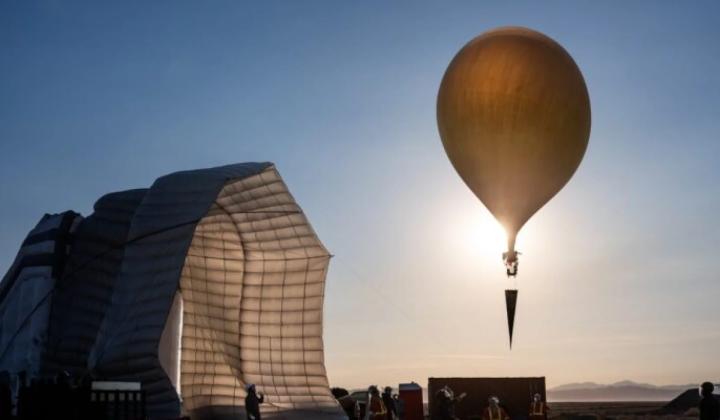
The Aires Tide Prototype
According to НВ — Техно: On June 30, a paper detailing the Aires Tide prototype was released. This experimental device is built to record extreme temperature conditions and intense vibrations experienced by nuclear warheads during their flight to a target. The unit was fully designed using artificial intelligence and manufactured with a 3D printer. Standing 3.35 meters tall, it is made from a nickel-chromium-iron alloy. The prototype was displayed on the National Mall in Washington, D.C.
Flight Tests and the Genesis Mission
Flight testing for the device began in May, and two phases of drop evaluation from an altitude of 9,750 meters above the Dugway military range have already been successfully completed. The development of Aires Tide is part of the Genesis mission, which aims to integrate artificial intelligence into U.S. national security operations. The design was optimized with support from the Venado and El Capitan supercomputers, which are operated by the National Nuclear Security Administration.
Three national laboratories contributed to the project: Sandia, Los Alamos, and Lawrence Livermore. Sandia National Laboratories Director Laura McGill stated that
“AI allows engineers to move much faster and find the best design solutions, freeing scientists to focus on critically important tasks.”
The Aires Tide prototype marks a significant advancement in technologies for national security. Its development underscores the active adoption of cutting-edge tools in the military domain, particularly in maintaining strategic stability and advancing defense systems. The use of AI and 3D printing in creating such devices highlights a trend toward automation and process optimization, which could profoundly shape the future of military technology. The involvement of national laboratories also reflects the importance of interdisciplinary approaches in safeguarding U.S. national security.
As the military continues to innovate, the introduction of advanced technologies such as the Hunter Eagle interceptor drone demonstrates a parallel commitment to enhancing defense capabilities. This drone, weighing just 5 kg, showcases precision air defense solutions that complement the advancements seen in AI-driven projects like the Aires Tide prototype.

Read also