In Linstow, Germany, a Wooden House Museum Honors the Legacy of Volhynian Resettlers

The Linstow Museum
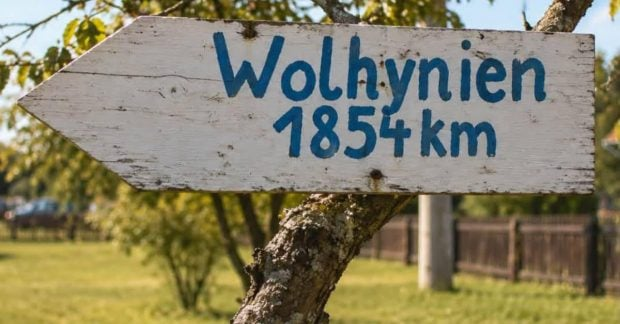
According to УНІАН — Туризм: In the northern German village of Linstow stands a wooden house crafted according to the traditional building styles of Volhynian Polesia. This house now serves as a museum dedicated to the experiences of forced migrants from the last century. Originally rebuilt in 1947 by resettlers from Volhynia, including Emma Altmann and her sons, the museum-known as Wolhynier Umsiedlermuseum-functions as an exhibition, educational, and memorial space that explores themes of migration, displacement, and the history of resettled communities.
The Roots of German Settlements in Volhynia
The German presence in Volhynia dates back to the late 19th century when farmers and craftsmen from Germany began establishing settlements in the region. They cultivated the land, built homes, and formed tight-knit communities. During World War II, many ethnic Germans from Volhynia were relocated westward. After the war, the village of Linstow allocated plots of land for 73 resettled families. Emma Altmann personally constructed one of these houses using traditional materials:
- Logs harvested from nearby forests;
- Strong walls made from a mixture of clay and wood;
- Roofs covered with familiar thatch and reeds.
In the 1990s, the house underwent restoration and was transformed into a museum with contributions from former resettlers who donated rare artifacts. Today, the museum serves as a place to discuss migration, loss of homeland, cultural coexistence, and the memories of people whose lives were repeatedly reshaped by shifting borders and conflict.
Not far from the village of Serkhiv in Volhynia lies the family tomb of Sofia Dunin-Wolska, a 1930s physician known for providing free medical care to locals. Although the tomb is currently neglected, a nearby hill and lake have been named in her honor. These landmarks reflect the rich history and cultural heritage of the region, preserving memories of bygone eras.
The Linstow museum not only safeguards the stories of resettled families but also sheds light on broader historical issues surrounding migration and cultural identity. Initiatives like this play a vital role in maintaining collective memory of events that deeply impacted many lives and serve as reminders of the ongoing cultural exchanges shaped by history. Furthermore, they encourage understanding of contemporary migration trends rooted in past experiences. In this way, the museum stands as both a tribute to the past and a platform for dialogue about present and future challenges.

Read also