Pressure Drop: How Trump's Iranian Deal Crashed Oil

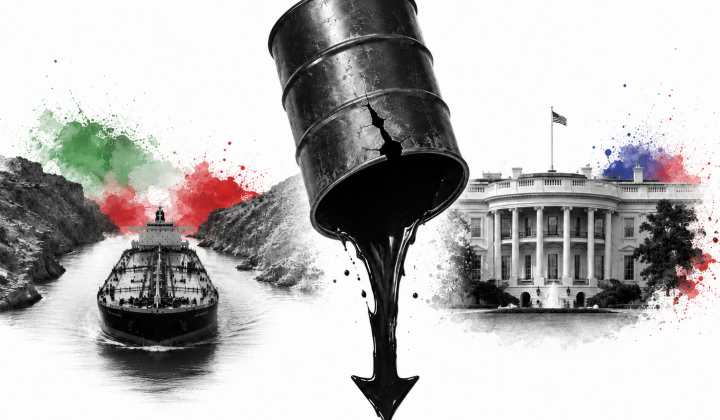
The Reuters agency recorded a drop in oil prices to the lowest level since the beginning of the U.S.-Iran conflict. Futures for Brent fell to $78.02 per barrel, while U.S. WTI dropped to $74.57.
The sharp decline was triggered by the signing of an interim memorandum between the U.S. and Iran, which paves the way for the resumption of shipping through the Strait of Hormuz. Goldman Sachs has already revised its forecasts, expecting a normalization of exports from the Persian Gulf by the end of July. At BNP Paribas, they consider a level of around $75 per barrel to be a relatively stable price floor.
Military Premium Disappears from Barrel Price
The market instantly reacted to the change in physical logistics. As soon as Washington and Tehran effectively agreed on an interim de-escalation formula, and hundreds of tankers received the opportunity to return to their usual routes, the premium for military risk began to disappear from oil prices.
Trump is pragmatically moving closer to one of his main economic goals – reducing global inflation by lowering energy prices. Cheaper oil reduces logistics, production, and transportation costs, easing pressure on consumer prices within the U.S.
Strike on Russia's Budget Capabilities
For Russia, the drop in oil prices is a serious macroeconomic blow ahead of autumn. The decline in export revenues directly constricts the Kremlin's budget capabilities and reduces the buffer for conducting a prolonged military campaign.
The longer the price holds near the $75 mark, the harder it will be for Moscow to finance its defense sector, social expenditures, and maintain the stability of the ruble simultaneously.
A Mixed Effect for Ukraine
For Kyiv, the situation is dual in nature.
On one hand, the reduction in oil revenues weakens the Kremlin's financial cushion and increases the cost of continuing the war. On the other hand, de-escalation around the Strait of Hormuz reduces Washington's dependence on European aid, the naval presence of allies, and joint management of the energy crisis.
This means that the entire structure of backstage bargaining within the G7 is beginning to be restructured. The U.S. gains more space for independent maneuver, while the role of European partners in the Middle Eastern context weakens.
Conclusion
The era of excessively expensive 'military' oil is temporarily on pause. The global economy is entering a phase of deflationary pressure, which Trump will use as a tool to compel participants in global conflicts to stabilize positions in the autumn.
The balance is gradually shifting from resource-rich states to technological, financial, and logistical centers. In the new configuration, not only control over resources will be crucial, but also the ability to manage routes, prices, and access to global markets.

Read also