What is a catalyst

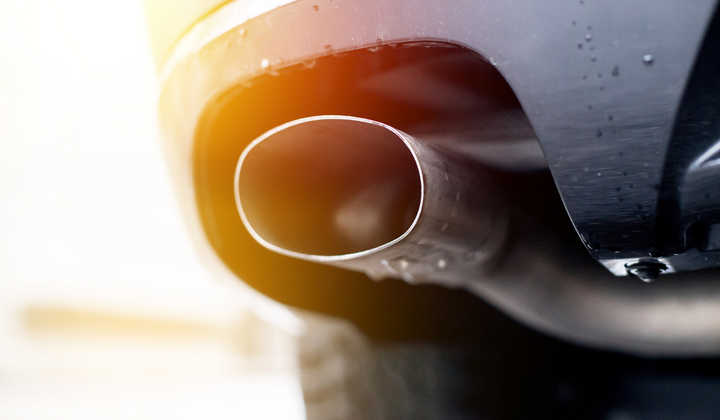
In the process of operating a car, every driver must know and understand how the exhaust system works and how the combustion products affect the environment. For example, exhaust gases from internal combustion engines primarily enter the exhaust system and then into the atmosphere. The exhaust system design includes a catalyst, the price of which depends on the specific make and model of the vehicle.
The term 'catalyst' generally refers to an essential element of the car's exhaust system that ensures the effective cleaning of exhaust gases. The cleaning process is carried out by neutralizing harmful components found in these gases. Neutralization allows harmful components to be converted into completely safe ones, thanks to the chemical reactions that take place.
Thus, the exhaust from the car causes less harm to the environment, which is especially important in caring for ecology. However, it is worth remembering that neutralization occurs at high temperatures – around +300 degrees, so the cleaning process will not start with a cold engine.
Features of the catalytic converter design
When servicing the vehicle, it is important to consider the design features of the catalyst in the car. Depending on the specific model, manufacturers may use a base made of metal or high-strength ceramics – special honeycombs. The surface of the honeycombs is coated with various types of metal alloys (iridium, palladium, rhodium, and others) that are considered chemically active, meaning they can react with harmful substances.
Today, a modern catalyst is a combination of three main elements that perform specific functions:
- The first element is responsible for binding nitrogen oxides.
- The second one helps remove unburned fuel mixture particles that went directly into the gases. Additionally, carbon monoxide is also neutralized.
- The last element is the lambda probe. Its tasks include analyzing the gases that come out of the catalyst after undergoing a multi-stage cleaning process.
Considering the complex operating conditions, it is necessary to choose and buy a catalyst made of steel. Such a material is not subject to negative corrosive effects, which allows for a longer service life of the entire component.
Signs of faulty catalyst operation
The service life of the catalyst depends on many factors, one of which is the fuel quality. For example, when using high-quality fuel, the operational life ranges from 100,000 to 150,000 km of travel. The time spent in city traffic jams also affects the lifespan. Consequently, a Golf 4 catalyst may serve anywhere from 3 to 7 years.
The main cause of failure lies in the burning of the walls of the metal honeycombs. Among the common signs of failure are:
- Significant decrease in engine power – the engine may begin to misfire frequently, and the car loses its previous capability for rapid acceleration.
- Rumbling at the bottom – you can hear rumbling when the engine operates at high revs.
- Unstable gas flow from the exhaust pipe – this flow may be weak or consistent. A weak flow often indicates possible destruction of the honeycombs or minimal throughput of the entire component.
Thus, all the aforementioned signs indicate that it is time to look for a new catalyst. There are various options available for both analog and original parts for replacement. Each option has a certain list of advantages that should be considered when making an online purchase from different sellers.