Modern Approaches to Improving Energy Efficiency of Urban High-Rise Buildings

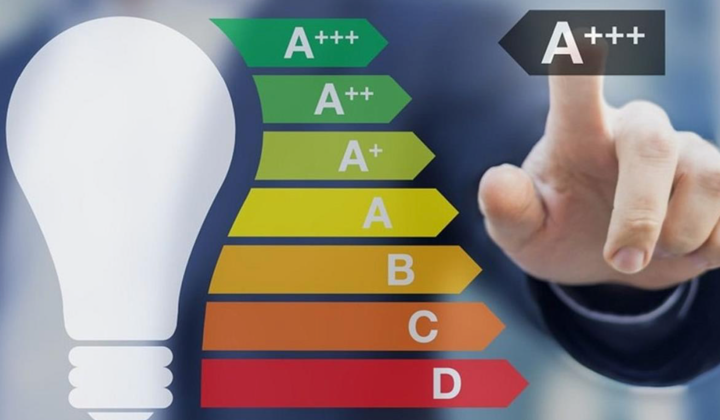
According to statistics, global energy consumption increases by approximately 20% every 10 years. Proportional to this increase are emissions of carbon dioxide and other harmful compounds, and atmospheric pollution is gradually reaching catastrophic proportions. Considering that a significant portion of burned fuel is used for heating homes, one of the most important measures for economical resource consumption and preventing ecological collapse is insulation of facades. The use of industrial climbing methods has made facade insulation of urban high-rises accessible and widespread, helping in the fight against ecological problems. You can learn about the detailed process of insulating apartments here.
Facade Insulation as a Step Towards Energy Efficiency
The largest heat losses in high-rise buildings occur through external walls – over 50% on the middle floors and about 35% on the outer ones, where the floor and ceiling contribute to heat losses. Therefore, the most effective measure to improve the energy efficiency of buildings is facade insulation.
The credit for the fact that facade insulation at height is now accessible to all and is being carried out everywhere belongs to industrial climbers. The method of industrial climbing has eliminated the need for scaffolding and lifting equipment for high-altitude work. This has positively affected the price and availability of external facade insulation services at heights, which you can clearly see by checking the detailed price list at this link.
Equally important is the fact that industrial climbing allows work in the most hard-to-reach areas of buildings, where the use of special equipment is impossible – at great heights, in cramped conditions, etc.
Energy-Efficient Windows and Their Role in Heat Retention
Heat losses through windows can reach 40%, and the use of energy-saving double-glazed windows can reduce heat losses to a minimum. The increase in thermal insulation properties of energy-saving double-glazed windows is achieved due to the following design features:
• Application of energy-saving coating made of microparticles of metal on the inner surface of the glass.
• Double-chamber double-glazed windows.
• Increased thickness of the double-glazed window.
• Filling of chambers with argon.
Even just applying the energy-saving layer increases the thermal resistance coefficient of single-chamber double-glazed windows by one and a half times – from 0.4 (m2∙K)/W to 0.6 (m2∙K)/W. If two-chamber double-glazed windows of 44 mm thickness with energy-saving layer and argon are used, the heat transfer resistance coefficient will increase from 0.4 (m2∙K)/W to 1 (m2∙K)/W.
The use of energy-efficient windows in combination with facade insulation and entrance doors can turn a building into a "thermos", where the temperature remains constant for a long time in any season. This allows for minimal energy use for heating and air conditioning.
Ventilated Facades: A Modern Solution for Insulation and Ventilation
Cladding (ventilated) facades are an excellent solution for insulating building walls, for which maintaining an attractive exterior is important. While in residential areas it is possible to insulate external walls apartment by apartment using the wet insulation method, a ventilated facade is more suitable for public buildings and residential houses on central streets.
The cladding layer of the ventilated facade can be made from different types of siding or ceramics, aluminum, concrete, and steel panels. This offers advantages in terms of design choice for the building's exterior. However, the ventilated facade significantly loads the load-bearing structures and foundations of high-rise buildings, which requires preliminary engineering calculations.
The structure of the ventilated facade includes:
• A metal frame attached to the wall made of steel profile.
• Mineral wool slabs that are attached to the wall using glue and dowel pins.
• A hydrophobic film that protects the mineral wool from moisture.
• Cladding layer fixed to the frame with a gap of 2-5 cm.
The air gap between the insulation and the cladding allows condensation to evaporate and serves as additional insulation, as air is the best insulator. Ventilated facades insulate external walls not only from external temperatures but also from atmospheric moisture, preventing destructive processes and extending the lifespan of the building.
In recent decades, the installation of ventilated facades on urban high-rises has been performed by industrial climbers, since the industrial climbing method is unrivaled in terms of efficiency and cost-effectiveness while maintaining consistently high quality of work.
Innovative Materials and Insulation Technologies
Science is not standing still, and innovative materials for facade insulation are already emerging, such as:
• Aerogels – the lightest porous material, whose micropores are filled with gas. They have high thermal insulation properties, lightweight, and resistance to decay.
• Phase change materials – they have the property of accumulating excess heat in summer and releasing it in the cold season due to phase transitions of substances between solid and liquid states.
The use of aerogels and phase change materials for facade insulation in conjunction with the "smart home" system, which optimizes energy consumption, will soon allow for a significant reduction in energy costs for heating and air conditioning and prevent the impending ecological disaster.
Conclusion
To improve the energy efficiency of buildings, a whole range of measures is needed in addition to facade insulation, including enhancing the thermal insulation of windows, entrance doors, balancing the heating system, replacing bulbs with LED ones, etc. This will not only help homeowners save on budgets, but also positively impact the state of the environment.