U.S. Grants 30-Day Window for Iranian Oil Sales: Market Impact Assessed

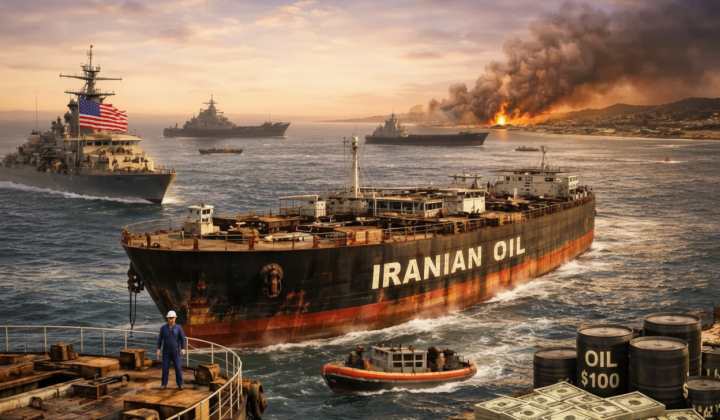
U.S. Authorizes Sale of Iranian Crude
According to Главком: On March 20, 2026, the United States officially authorized the sale of Iranian oil already loaded on vessels at sea, granting a 30-day license valid until April 19, 2026. This marks a significant step in the easing of U.S. energy sanctions, representing the third such reduction of pressure on adversaries by Washington in just two weeks. This move comes as global markets remain highly sensitive to shifts in energy supply from the Middle East.
Oil prices have surged by 50% since February 28, 2026, highlighting the growing impact of geopolitical events on the market. Against the backdrop of the ongoing war between the U.S. and Israel against Iran, regional tensions continue to escalate. However, on March 21, 2026, Tehran indicated a readiness to facilitate the safe passage of Japanese tankers, a potential signal of strategic adjustments by Iran.
Forecasts and Consequences
U.S. President Donald Trump has stated that the United States no longer intends to single-handedly ensure security in the Strait of Hormuz. He also noted that Washington is very close to achieving its goals in the war against Iran.
"Washington is very close to achieving its goals in the war against Iran" - Donald Trump
U.S. Treasury Secretary Bessent suggested the possibility of 'using Iranian barrels against Tehran itself,' hinting at a continued strategic maneuver by the United States.
It is important to note that despite this sanctions relief, the exemptions do not apply to:
- Cuba
- North Korea
- Occupied Crimea
This underscores the selective nature of American energy sanctions policy, which could have varied consequences for international relations and the global economy. The U.S. decision may be perceived as an attempt to reduce regional tensions and rebalance the energy market. Nevertheless, Tehran's shifting stance on maritime security could indicate a willingness to seek compromises in the international arena. Future developments in the region will be closely monitored, given their potential to significantly affect global economic stability and energy security.
The recent authorization for Iranian oil sales comes at a time when oil prices are experiencing fluctuations due to efforts by the U.S. and Europe to stabilize supply chains and reduce costs. As the geopolitical landscape shifts, understanding these market dynamics is crucial for anticipating future trends in energy prices and international relations.

Read also