U.S. War with Iran Drives a Wedge Through the Western Alliance

America’s Foreign Policy Under Donald Trump’s Second Term
According to ХВИЛЯ: During Donald Trump’s second term, U.S. foreign policy has adopted a new rhetoric centered on the idea of civilization. Amitav Acharya, a professor at American University, has labeled this approach imperial civilizationalism. In a 2017 speech delivered in Warsaw, Trump stressed the importance of defending the West-contrasting his stance with leaders like Xi Jinping (China), Narendra Modi (India), Vladimir Putin (Russia), and Recep Tayyip Erdoğan (Turkey), who each emphasize their own distinct identities.
The U.S. National Security Strategy
The 2025 National Security Strategy of the United States warns that Europe faces civilizational erasure due to migration, predicting the continent could become unrecognizable within 20 years or less. Speaking at the 2025 Munich Security Conference, Vice President J.D. Vance declared:
The greatest threat to the West comes from within. - J.D. Vance
U.S. Secretary of Defense Pete Hegseth framed the military campaign against Iran in theological terms, asserting a direct line from the Old and New Testaments to the development of Western civilization.
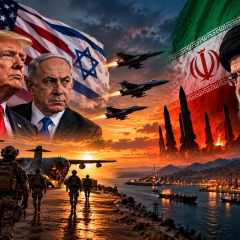
The operation against Iran marked the most extreme expression of Trump’s new rhetoric. He threatened to annihilate Iran’s entire civilization and reduce the country to the Stone Age. However, this aggressive stance has fractured the Western alliance. Evidence of this rift includes:
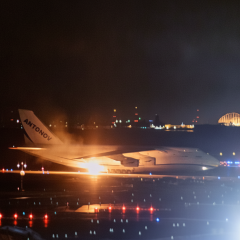
- France blocked Israeli aircraft carrying weapons from flying through its airspace during the war with Iran.
- Italy refused to allow U.S. bombers to land in Sicily.
- Spain denied the United States access to its military bases.
In January, Canadian Prime Minister Mark Carney made a state visit to Beijing, signaling a shift in foreign policy priorities among Western nations.
Trump’s new rhetoric and actions show how U.S. foreign policy is trying to adapt to changes on the global agenda, while also sparking widespread controversy and discord among Western allies. Trump emphasizes:
The fundamental question of our time is whether the West has the will to survive. - Donald Trump
Thus, U.S. foreign policy under Trump’s second term draws both support and criticism, opening new frontiers in international relations.
Amid rising international tensions and shifts in the global balance of power, Trump’s new rhetoric could significantly shape the future of Western alliances. By focusing on civilizational values, the U.S. position may lead to a reassessment of ties with traditional allies who do not always back Washington’s aggressive actions. Only time will tell whether this strategy strengthens the West’s standing on the world stage or instead deepens isolation and conflict among its partners.
The current tensions and military actions against Iran underscore a broader trend in U.S. foreign policy, which has increasingly alienated traditional allies. This shift raises questions about the sustainability of America's global partnerships, as highlighted in our analysis of how Trump is dismantling the network of American alliances. Understanding these dynamics is crucial for grasping the future of international relations.

Read also