Historic Nuclear Agreement Draft Finalized Between the United States and Iran

U.S.-Iran Agreement
According to Главком: The United States and Iran have finalized the text of a preliminary accord aimed at resolving their long-standing conflict, formally titled the Memorandum of Understanding. Under the terms, Tehran commits to refraining from developing nuclear weapons and to addressing its stockpile of enriched uranium. In exchange, Washington pledges to begin a phased easing of sanctions, with the pace tied to Iran's compliance with its obligations.
Additional provisions of the deal include:
- a 60-day extension of the ceasefire regime covering Lebanese territory;
- the reopening of the Strait of Hormuz;
- the restoration of maritime traffic through the strait within 30 days of the agreement's signing.
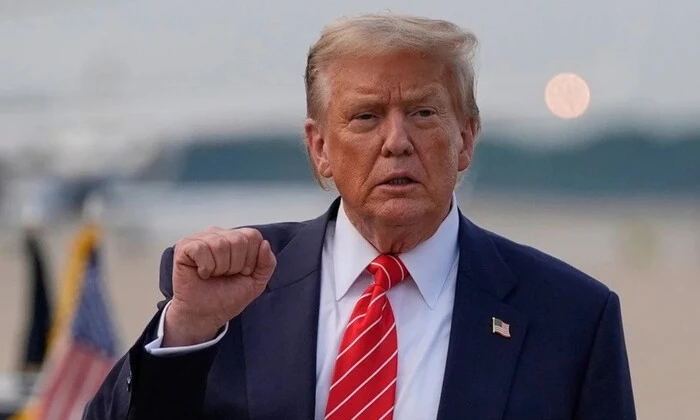
U.S. President Donald Trump has also agreed to consider a plan for the dilution of highly enriched uranium inside Iran under the supervision of United Nations inspectors.
The document has garnered high-level approval in Tehran, though the final decision rests with Iran's Supreme Leader, Mojtaba Khamenei. The accord may be officially named the Islamabad Agreement. Meanwhile, the compromise on Iran's nuclear program has raised concerns in Israel. Israeli Prime Minister Benjamin Netanyahu has already reached out to allies within the U.S. administration to seek details on the negotiations.
Current Status
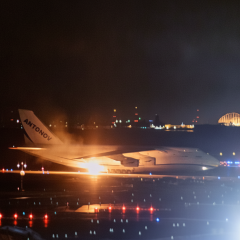
The agreement is in its final stages of approval, but a definitive decision has not yet been reached. International mediators have intensified diplomatic efforts to ensure continued progress in the talks. On June 11, four U.S. Air Force C-17 aircraft departed for Europe carrying equipment intended for a potential trip by Vice President J.D. Vance.
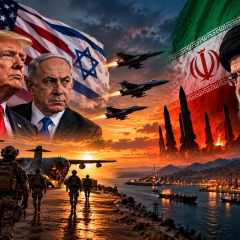
Recent developments in the Middle East highlight the strained relations between Washington and Tehran. On the night of June 10, the United States struck Iranian air defense systems, command posts, and military installations, prompting Tehran to claim attacks on American targets in the region. These actions underscore the volatile situation and the urgent need for diplomatic resolution.
A successful conclusion to the U.S.-Iran talks could significantly impact regional stability and the dynamics among key players, including Israel. Given the current tensions and the history of conflict, the importance of direct dialogue between the parties has never been clearer. The events of the coming days may prove decisive in shaping the political landscape of the Middle East.
As the U.S. and Iran move closer to finalizing their historic agreement, the situation in the region remains tense. The potential for renewed conflict looms, particularly with recent reports indicating that new military actions against Iran could be initiated if diplomatic efforts falter. This highlights the delicate balance that negotiators must maintain to secure lasting peace.

Read also