To Reshape the Middle East, Washington Pressures Tehran Over Nuclear Weapons

Middle East Dynamics
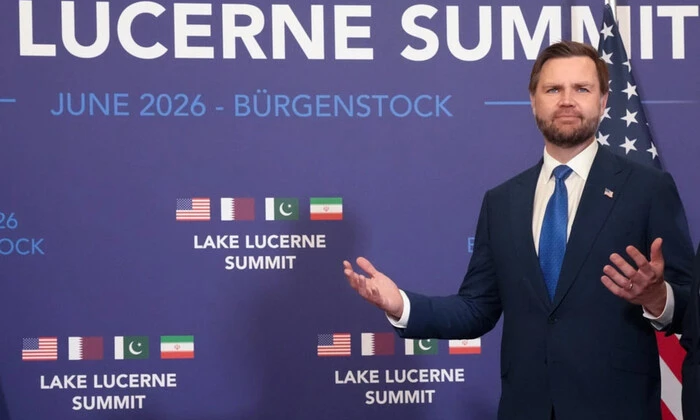
According to Главком: The United States aims to fundamentally transform the landscape of the Middle East within the next decade, but escalating tensions in Lebanon pose a serious threat to existing agreements. U.S. Vice President J.D. Vance acknowledged progress on the Lebanese front, stressing the value of constructive dialogue. His meeting with Iranian Parliament Speaker Mohammad Bagher Ghalibaf focused on the situation in Lebanon, highlighting Washington’s active role in regional affairs.
The U.S. is also working toward peace in collaboration with Qatar, Pakistan, and Israel. However, former President Donald Trump criticized Israel for failing to eliminate Hezbollah and suggested that Syria could be drawn into a confrontation with the group. Trump warned Tehran to halt its proxy forces or face American strikes, underscoring the heightened friction between the two nations.
U.S.-Iran Negotiations
A key condition for resetting U.S.-Iran relations is Iran’s long-term commitment to forgo developing nuclear weapons. A recently signed agreement under Trump permits Iran to pursue nuclear technology exclusively for civilian purposes. Vice President Vance stated that his main priorities in talks with Iran include:
- establishing a framework for dialogue;
- making headway on nuclear issues;
- securing a ceasefire in Lebanon.
Yet, Iran’s Supreme Leader, Ayatollah Mojtaba Khamenei, has distanced himself from the recently concluded deal with the United States, even though he authorized the agreement. Iranian President Masoud Pezeshkian has taken full responsibility for it. This situation reveals the complexity and multifaceted nature of bilateral relations, as well as the hurdles to achieving regional stability.
The Middle East remains a volatile region, with numerous factors-such as internal conflicts in Lebanon and U.S.-Iran relations-shaping its overall dynamics. The importance of constructive dialogue and peace deals underscores the need for international cooperation to ensure stability. How Iran responds to American initiatives will likely have a major impact on security and peace in this strategically vital area.
As the U.S. navigates these complex negotiations with Iran, understanding the implications of the recently finalized nuclear agreement becomes crucial. This deal not only shapes the future of U.S.-Iran relations but also plays a significant role in the broader context of Middle Eastern stability and security, particularly in light of ongoing tensions in Lebanon.

Read also