Washington Blocks Tomahawk Missile Sale to Germany, Citing Russia Concerns

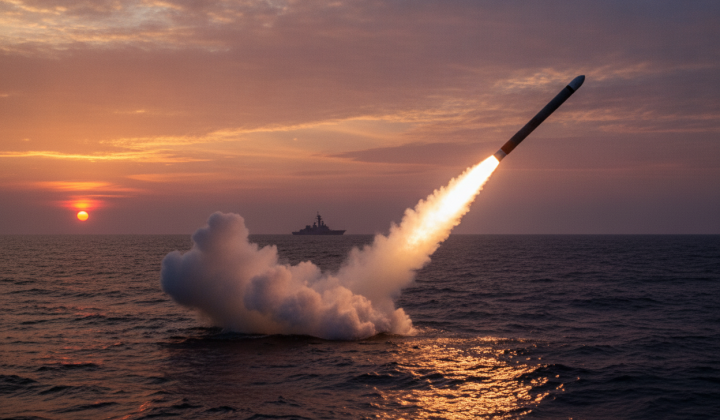
U.S. Denies Germany Tomahawk Missile Deal
According to Главком: Fears of provoking Moscow have led the United States to reject Germany’s request to purchase long-range Tomahawk cruise missiles. In a related move, the Pentagon is scaling back its European military footprint by withdrawing approximately 5,000 troops from Germany and pausing the deployment of an American battalion equipped with Tomahawks. These developments point to a reduction in planned NATO contributions from bombers, fighter jets, destroyers, and submarines.
Since the U.S. withdrew from the Intermediate-Range Nuclear Forces Treaty in 2019, NATO allies have debated building their own long-range strike capabilities. Tomahawks were seen as a temporary bridge until European alternatives become available. Notably, European nations are now boosting defense budgets and actively developing indigenous long-range systems. Some of these European projects may include nuclear warheads, underscoring the seriousness of their push to strengthen deterrence.
Shifts in U.S. Military Policy and Their Impact on Europe
Washington has also urged NATO partners to increase their own defense spending, signaling a broader shift in American military strategy. Yet the U.S. remains reluctant to let allies independently enhance their long-range deterrence, a stance that could reshape regional security dynamics. As a result, European countries must find ways to bolster their defenses amid a shrinking American troop presence.
The evolving situation highlights the need for European nations to adapt their defense strategies as the U.S. military contingent decreases. This creates an imperative to develop homegrown weapons systems, potentially altering the regional balance of power. Moreover, intensified discussions about nuclear arming within European defense projects reflect the gravity of threats perceived by NATO members in the face of Russian aggression. This could open new avenues for security cooperation among European states.
As the U.S. reduces its military presence in Europe, the implications for NATO's collective defense capabilities are becoming more pronounced. This shift raises questions about the future of transatlantic security and the need for European nations to strengthen their own military capabilities. For a deeper understanding of the consequences of these changes, you can read more about the significant drawdown of U.S. forces and equipment for NATO.

Read also