U.S. Launches Airstrikes on Iran Following Khamenei’s Threat to Eliminate Israel by 2040


Background of the Conflict
According to Главком: The U.S.-Iran confrontation is deeply rooted in Iran’s revolutionary ideology, which has remained unchanged since 1979. At the core of Iran’s aggressive stance lies the constitutional mission of the Islamic Revolutionary Guard Corps (IRGC), which embraces jihad as an ideological tenet. The IRGC seeks to push the United States out of the Middle East and destroy Israel. This mission is echoed in rallying cries such as 'Death to America and Death to Israel.'
Escalation of Tensions
Tensions have been exacerbated by major events, including the 2020 killing of Qasem Soleimani, a pivotal moment in bilateral relations. The new IRGC leader, Ahmad Vahidi, has reaffirmed the goal of eliminating Israel by 2040, underscoring the conflict’s enduring and deep-rooted nature. The October 7, 2023, Hamas attack on Israel further exemplifies Iran’s aggressive policy, driven by its revolutionary ideology.
On the other side, the United States has adjusted its tactics in response to the Iranian threat. Diplomacy, as pursued under the Obama administration with the 2015 nuclear deal, has given way to Republican-led 'maximum pressure' campaigns, including military operations. Despite peace efforts, Iran’s Supreme Leader, Ali Khamenei, intensified anti-Western rhetoric after the deal was signed, stating that 'the United States will no longer have a safe haven for its actions and for establishing military bases in the region, and is moving further away from its former status day by day.'
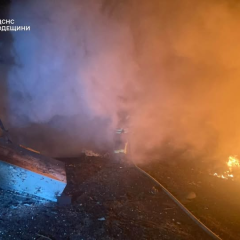
American forces recently conducted airstrikes on targets in southern Iran’s Hormozgan province, signaling a rise in tensions. According to the latest data, a ceasefire had held for nearly seven weeks, but the situation remains volatile. A notable parallel can be drawn with past events, such as the 2004 interception of letters from Ayman al-Zawahiri to Abu Musab al-Zarqawi about establishing a caliphate, which was later proclaimed by Abu Bakr al-Baghdadi a decade later. This highlights the enduring and complex nature of terrorist threats in the region.
In summary, the U.S.-Iran standoff remains intricate and multi-dimensional, impacting Middle Eastern stability and relations among various nations. This conflict not only shapes the domestic policies of both countries but also carries global repercussions, drawing in numerous regional players and becoming a key factor in international affairs. The situation demands vigilant attention from the global community, as any escalation could have serious consequences for peace and security in the region.
The recent airstrikes mark a significant escalation in the ongoing U.S.-Iran tensions, reminiscent of previous confrontations. As both nations navigate this fraught landscape, the potential for a U.S. setback in this standoff looms large. Understanding the implications of these developments is crucial for grasping the broader context of the conflict. For a deeper analysis of the challenges facing the U.S. in its dealings with Iran, see the likely outcomes of the ongoing standoff.

Read also