Clashes Erupt at Milan Winter Olympics Over ICE Presence and Environmental Impact

Protests Turn Violent at Milan Winter Games Over ICE and Environmental Concerns
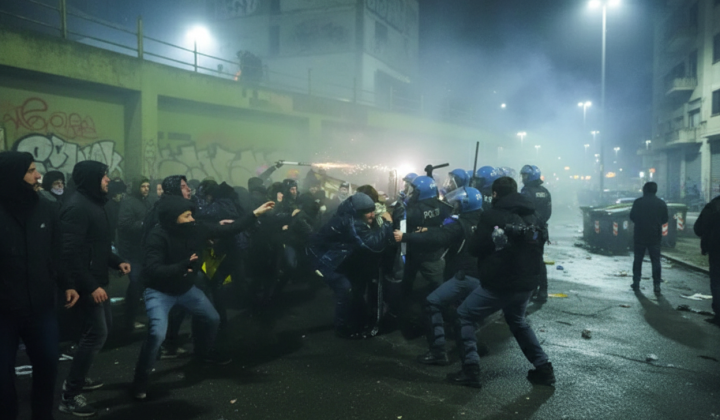
According to Главком: Violent clashes broke out between police and demonstrators during the Milan Winter Olympics. The protests, which began as a peaceful march of approximately 10,000 people, escalated when activists attempted to break through a highway barricade leading toward the Olympic hockey center. The protestors were expressing anger over the presence of agents from the U.S. Immigration and Customs Enforcement (ICE) agency, as well as the environmental and financial costs of hosting the Games. The U.S. agency's involvement in an event in Italy is unusual and became a major flashpoint for activists.
In response to the provocation, police deployed tear gas and water cannons against the activists, who retaliated by throwing fireworks and causing disturbances near the Olympic Village. A key grievance was the presence of an ICE unit specializing in cross-border crime, which had been deployed to Italy. Protestors also condemned the environmental damage caused by the Olympics, particularly the mass deforestation required to build a bobsled track.
Local Residents Voice Financial Fears
Beyond the immediate protests, local residents fear the event will leave behind billions in debt after the Games conclude. The Olympics officially opened on February 7, 2026, a ceremony where U.S. Vice President JD Vance and his wife Usha were met with boos from the stadium crowd. This moment was broadcast by Canada's CBC network but was not shown by the American broadcaster NBC. As Fox News reported, the street scenes were chaotic:
“CHAOS IN THE STREETS: Masked individuals launch fireworks at police after a protest at the Olympics in Italy.” - Fox News
The Milan clashes highlight the complex relationship between major international events and the social movements they often provoke. The protestors, opposing both ICE policies and the Games' ecological footprint, reflect growing public anxiety over human rights and environmental stewardship. These incidents may reshape perceptions of the Olympics as a platform for global unity and intensify debates about the responsibility of organizers to local communities.

Read also