Technical Features of Gasoline Generators: How to Choose the Optimal Model

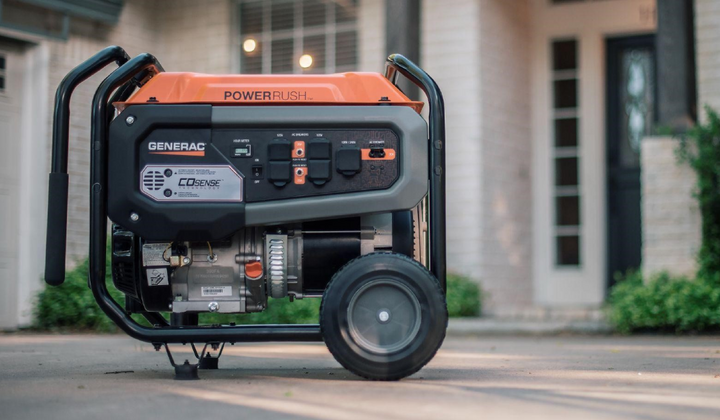
A gasoline generator is an important element in power supply systems, providing stable energy during power outages or in emergency situations. However, choosing the optimal model requires careful analysis of technical features to meet the specific needs of the user. In this article, we will examine the key technical aspects of these devices and provide advice on how to purchase a generator without making a mistake.
Capabilities and Technical Specifications of a Gasoline Generator
This section will discuss the key capabilities and technical specifications of these units that determine their efficiency and application. One of the main technical specifications is power, which determines the ability to produce electricity. Power is measured in kilowatts or watts and is determined by the specific needs of the user. Output voltage is also important, as different electrical tools or equipment may require different voltage levels. It is essential to consider the power level based on specific needs. Furthermore, the output voltage must match the electrical requirements of the equipment. The stations can operate with various types of loads. These can be household appliances, power tools, construction equipment, etc. In other words, they provide versatility of use, allowing them to be utilized in different industries. The efficiency of operation is often determined by the time it can run on one fuel fill. This is crucial, especially in situations where the possibilities of refueling are limited or when stable power supply is required for an extended period. Many modern devices are equipped with automatic start systems. This improves their usability, as the generator can automatically activate upon detection of power loss. This is important for ensuring uninterrupted power supply and minimizing operational interruptions.
How to Choose and Buy a Generator
You can buy a generator at specialized stores, where the selection is usually large, and specialists are ready to provide consultations and help choose the optimal model. Let's consider the key steps and recommendations on how to choose and buy the best model:
- Step 1: Determine the power. The first and most important step. Consider the electrical load you need to supply. Calculating the total power of all devices and tools you intend to use will help choose a model with sufficient power.
- Step 2: Choose the type of station. Determine whether you need a diesel, gas, or gasoline generator. Each type has its advantages and features. The latter are usually lighter and cheaper, diesel ones are more economical in operation, and gas ones are less harmful to the environment.
- Step 3: Automation and ease of use. Consider the availability of automatic start and other features that facilitate use. The automatic start system activates the unit upon detection of power loss.
- Step 4: Operating time and fuel consumption. Assess the operating time on one fuel fill and its consumption. This is particularly important for long-term use or in situations where refueling options are limited.
- Step 5: Reviews and feedback. Before purchasing, review online feedback and reviews. The opinions of other users can provide valuable insights about the product and its reliability.
- Step 6: Consider spare parts and service maintenance. Ensure that spare parts for the chosen model are easily available and that service maintenance is provided. This guarantees its long-term and effective operation.
Conclusion
Power stations are an integral part of power supply systems and play a key role in situations of outages or emergencies. Choosing the optimal model requires considering the specific needs of the user and a careful analysis of technical characteristics. A properly chosen and purchased model ensures stable current and a high level of reliability in operating conditions.