Technical Protocols Before a Big Deal: What Words from Budanov Mean
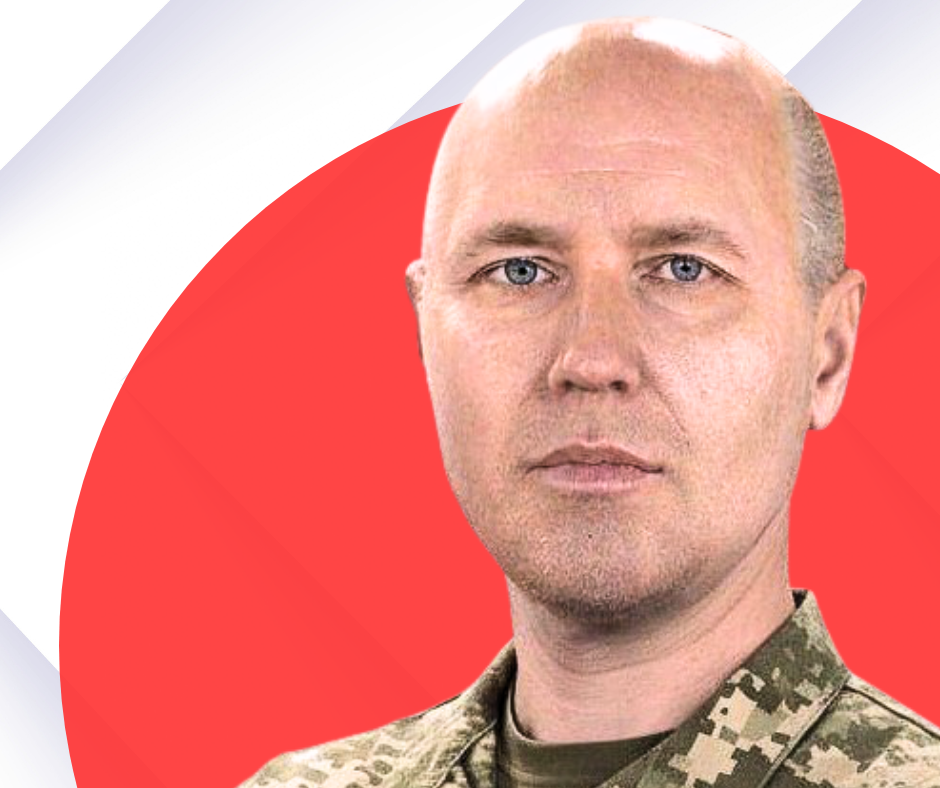
Kyrylo Budanov's statement that the war will continue in winter and that the upcoming negotiations will mainly involve the 'technical part' and preparation for something larger does not fit well into popular scenarios of a swift resolution.
Kyrylo Budanov talks about the war in winter and only the 'technical' nature of the upcoming negotiations. This sounds like a cold shower for supporters of a quick peace. In fact, technical agreements may not be an alternative to a grand deal but rather its necessary prerequisite.
Just like his words about the need to mobilize about 30 thousand people every month to hold the front and his frank skepticism regarding NATO's ability to automatically solve the problem of Ukrainian security.
This is not the lexicon of a country that expects peace next week.
But it is not necessarily the lexicon of a country preparing to fight endlessly either.
Between war and a grand political agreement lies a less glamorous stage. This is what diplomats, military personnel, and intelligence services call technical.
First - the plumbing of diplomacy
'Technical negotiations' sound boring. And that's exactly why they are important.
We are not talking about maps of future borders or the signing of a peace agreement. The subjects can be much more mundane: prisoner exchanges, humanitarian mechanisms, energy infrastructure security, shipping, local ceasefire regimes, and direct communication channels between the military.
Essentially, this is the plumbing of grand diplomacy.
Before presidents start arguing about strategic architecture, someone has to make sure that there is at least a working phone between the parties.
Without such mechanisms, any grand agreement risks falling apart within the first hours after signing.
A test of viability
There is a second function of the technical track - checking the counterparty.
Agreeing on a large prisoner exchange is much easier than about territories, sanctions, or security guarantees. But even such an operation requires coordination of dozens of structures and precise execution of the commitments made.
If the agreement works, there is a basis to move on to something more complex.
If not, a political summit will change very little.
This is why a local pause, an agreement on infrastructure, or a large exchange can be more important than they seem. They test not the goodwill of the parties but their ability to fulfill agreements.
This is particularly important for Washington. Any future construct involving Kyiv and Moscow will only make sense when there is a mechanism for its enforcement, control, and response to violations.
Tracks for freezing
From here arises a much more interesting question: what did Budanov mean by preparing for 'something larger'?
The most cautious interpretation is the establishment of parameters for a future security framework.
This is not necessarily a peace agreement. Even more so, it is not necessarily a political settlement of all the reasons for the war.
A more realistic interim result could be a construct that allows for a reduction in the intensity of hostilities first, and then years of negotiation over the final status of territories, sanctions, guarantees, and the restoration of relations.
In such a scenario, the technical track becomes the primary framework for a potential ceasefire.
Where do the zones of responsibility pass? Who records the violations? How do communication channels between the headquarters work? What happens in case of a strike on an energy facility? What regime applies in the Black Sea? How are exchanges conducted?
A political solution may consist of several pages.
Technical appendices to it - hundreds.
Two wars at once
This is where the paradox of the current stage arises.
It is possible to prepare for the continuation of war while negotiating how it will eventually stop.
One does not negate the other.
For Kyiv, publicly announcing a quick freezing of the front would be extremely risky. The expectation of a near termination of hostilities could undermine mobilization, discipline, and the public's readiness to endure further costs.
For Moscow, showing excessive interest in an agreement likewise weakens its negotiating position.
Thus, both sides have rational reasons to speak oppositely.
Kyiv demonstrates readiness to continue fighting.
Moscow shows a lack of urgent need to negotiate.
And Washington receives two counterparties, each trying to convince the mediator: time works for them.
Peskov and Budanov speak differently. But they play the same game
Therefore, Dmitry Peskov's public statements about the lack of new ideas and Budanov's tough rhetoric do not necessarily indicate the absence of a diplomatic process.
On the contrary, such rhetoric is entirely compatible with negotiations.
Each side seeks to show Washington that it is not under critical pressure and can continue the war in 2027. This is a classic way to increase the price of one's own agreement.
Whoever first shows impatience risks being the first to receive a demand to concede.
This is why negotiations to end the war almost never look like negotiations to end the war - until the very end.
The war of two tracks
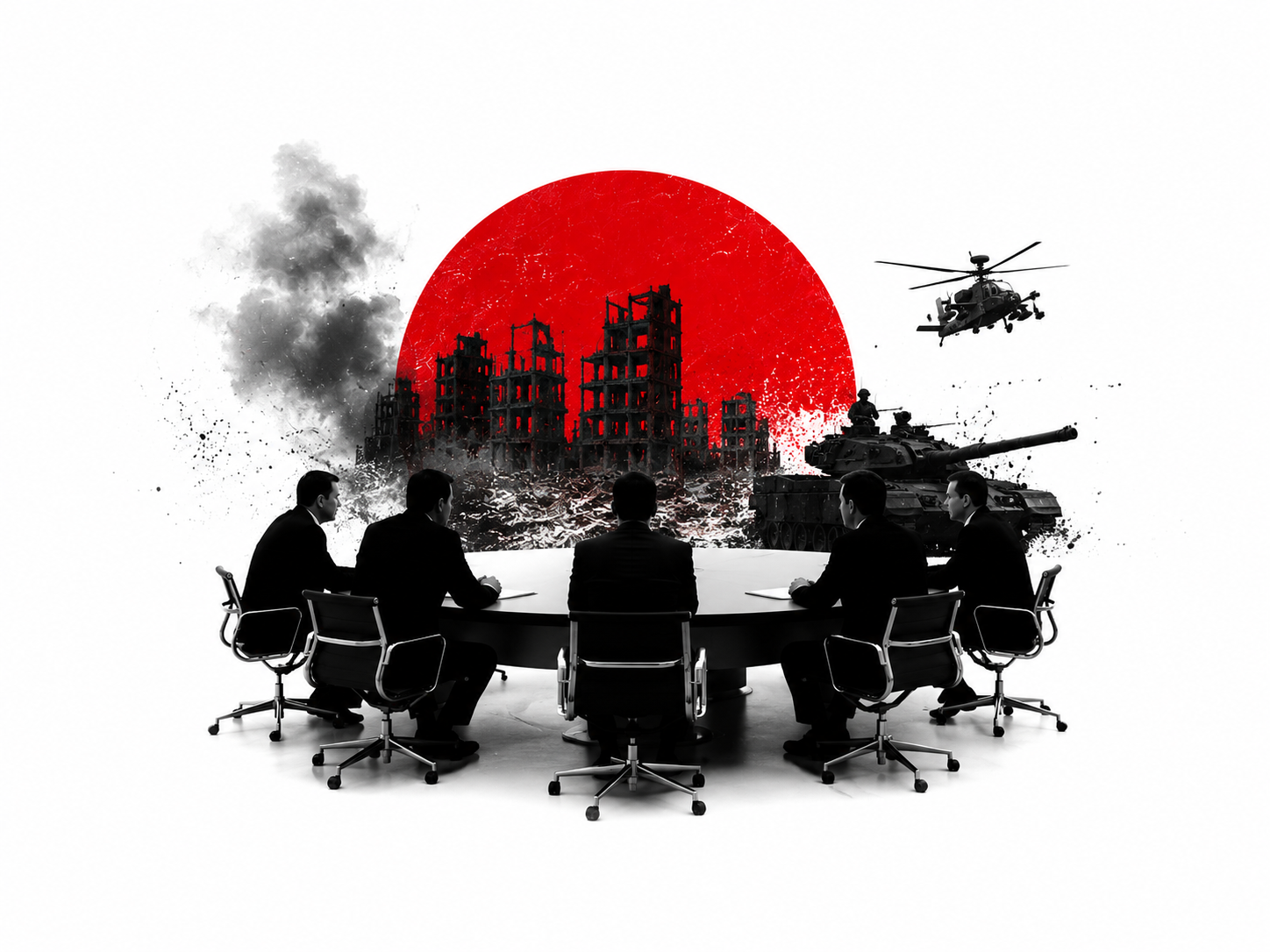
The Ukrainian war is increasingly entering a mode of two parallel tracks.
On one, hostilities continue. Soldiers, ammunition, drones, missiles, and money are needed. Neither side can afford to weaken the front just because negotiators are working somewhere.
On the second track, diplomats, military personnel, and intelligence services can gradually build the technical infrastructure for a future agreement.
These two processes do not contradict each other.
They complement each other.
The military pressure determines the negotiation price. Negotiations define the conditions under which this pressure might one day be lifted.
Therefore, the biggest mistake would be to wait for the moment when Moscow or Kyiv publicly announce: 'we are preparing to freeze.'
This moment may never occur.
In public politics, the parties will demonstrate readiness to fight as long as necessary. Meanwhile, in closed rooms, they may discuss routes for exchanges, ceasefire regimes, infrastructure monitoring, and communication procedures.
A grand deal, if it is really forming, does not begin with a map of borders.
It begins with a protocol.

Read also