EU and US Respond to Trump-Putin Deal on Russian Diesel Supplies

The Trump-Putin Diesel Supply Agreement
According to ХВИЛЯ: On October 9, just days before the US midterm elections, Donald Trump announced a deal with Vladimir Putin for Russia to deliver significant quantities of diesel fuel to the American and global markets. The agreement includes an immediate shipment of over 300,000 tons, followed by 500,000 tons in November and an additional million tons in the months ahead. The US Treasury Department has issued a temporary license to facilitate these deliveries. This development has sparked intense debate among US lawmakers and European leaders, who are divided over the implications for sanctions against Russia and energy policy.
This deal arrives amid heightened attention to fuel prices and energy security, issues that have become increasingly critical for Western economies grappling with the ongoing conflict in Ukraine and the broader geopolitical tensions with Russia.
Global Reactions to the Agreement
Kaja Kallas, head of the European Union's diplomatic service, urged the United States to strengthen sanctions against Russia, stating:
"If we want this war to end, the only path forward is to increase pressure on Russia."
French President Emmanuel Macron echoed this stance, emphasizing that he sees no sign of an energy truce from Russia and that "there is absolutely no factual basis today to change our position."
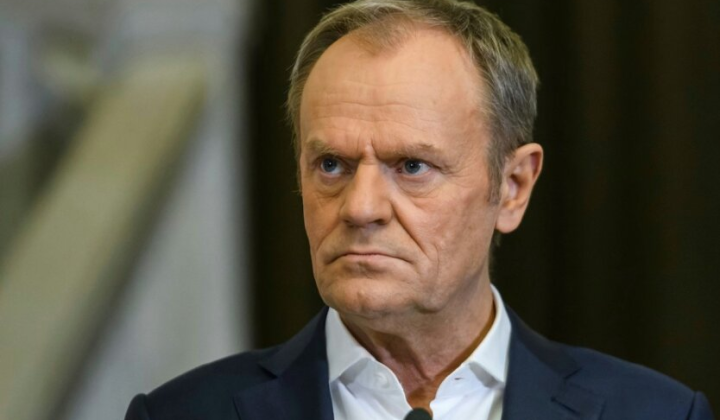
At the Warsaw Security Forum, Polish Prime Minister Donald Tusk held Russia fully accountable for the war and warned against equating the parties involved, noting that doing so would be "an immensely valuable gift" to the aggressor, Vladimir Putin.
In the United States, the agreement met with strong opposition. Republican Senator Thom Tillis called on Trump to enforce sanctions laws rather than opening the market to Russian energy supplies. He criticized the deal as "tarnishing the efforts of Lindsey Graham," who has championed sanction legislation.
Democratic Senator Richard Blumenthal condemned the agreement as "a stain on the nation's character and an insult to Graham's legacy." Meanwhile, Republican Congressman Dan Crenshaw urged Elon Musk to activate Starlink over Russia to assist Ukraine in targeting ballistic missile launch sites. Ukrainian President Volodymyr Zelensky, speaking at the Warsaw forum, accused Russia of violating the energy truce announced by Trump and questioned why the US has not pursued a diesel supply deal with Ukraine.
Overall, this Russian diesel supply agreement has ignited sharp international debates, highlighting tensions between maintaining sanctions and addressing energy needs. It raises critical concerns about Europe's energy dependence on Russia and its long-term implications for global politics and economic stability. This situation underscores the complex balance Western nations must strike between supporting Ukraine, enforcing sanctions, and ensuring energy security.
As the consequences of the Trump-Putin agreement unfold, the geopolitical landscape continues to shift, particularly regarding energy policies. This recent decision comes on the heels of the US lifting sanctions on Russian diesel, a move that has raised eyebrows amid Ukraine's rejection of any energy truce without reciprocal actions from Russia. For a deeper understanding of these developments and their implications, read more about the evolving situation surrounding Russian diesel sanctions.

Read also