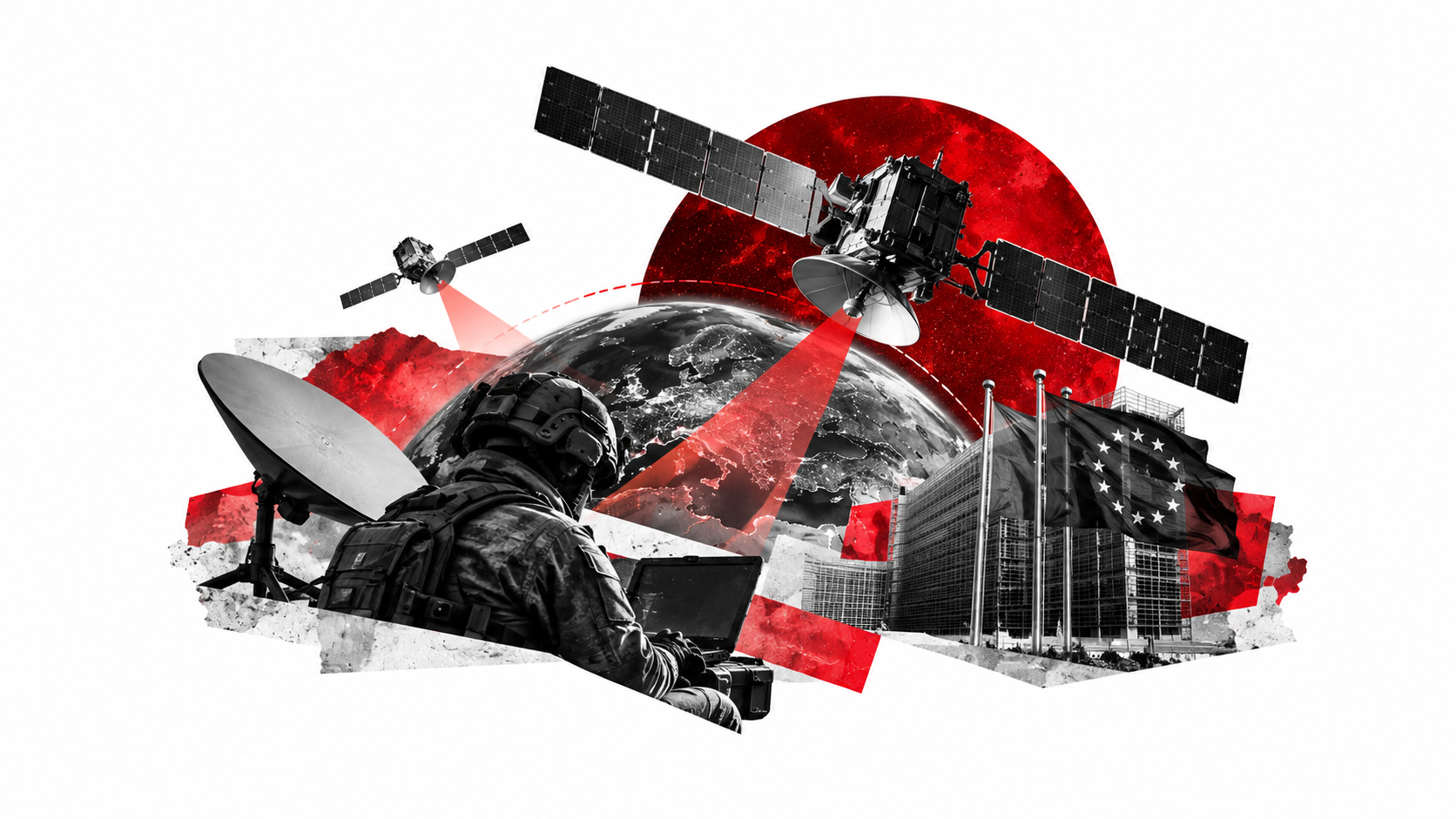
Kremlin's Response to Trump's Ambition to Purchase Greenland

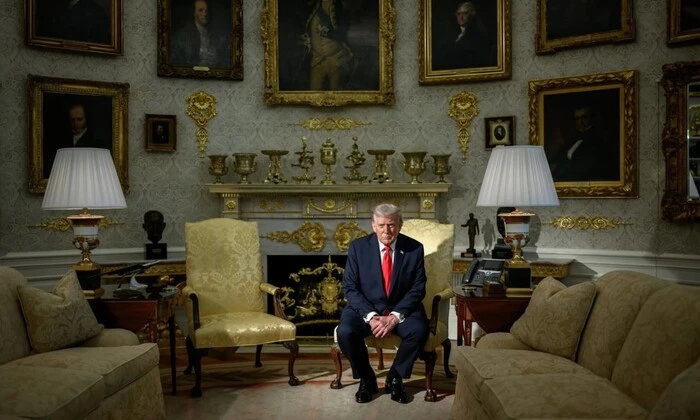
Trump's Greenland Gambit
According to Главком: Former U.S. President Donald Trump's recent attempt to purchase Greenland sparked significant controversy and drew a wary response from the Kremlin. Russian authorities expressed concern over potential shifts in the international order, including a possible weakening of NATO. This move by the U.S. is seen as potentially bolstering American expansion in the strategically vital Arctic region, an area of growing global competition.
Dmitry Peskov, the press secretary for the Russian president, criticized Trump, accusing him of actions that violate international norms. This statement underscores the Kremlin's apprehension regarding the potential consequences for global politics and stability. For his part, Trump asserted that Greenland was necessary for the United States to 'safeguard national security from external threats.'
Tariffs and Geopolitical Focus
In a related development, Trump urged European nations to concentrate on the Russia-Ukraine war, signaling an intent to refocus international attention on the conflict. Concurrently, he announced the imposition of a 10% tariff on goods from eight countries, effective February 1, with a threat to raise these duties to 25% by June 1 if agreements are not reached.
- United Kingdom
- Germany
- France
- Denmark
These actions highlight Trump's aggressive stance on trade and foreign policy, which could have profound implications for global relations. The Arctic has become a focal point for major powers due to its untapped resources and strategic shipping routes.
Trump's statement on Greenland, coupled with the new tariffs, reflects a strategic approach to strengthening the U.S. position globally. This could strain relations with European allies and prompt them to reconsider their strategies in response to American policy. Amid rising tensions with Russia, such moves risk further escalation of geopolitical conflicts, particularly concerning Arctic security and the ongoing war in Eastern Europe.

Read also