After a mass crossing into Ceuta, more than 48,300 migrants return to Morocco

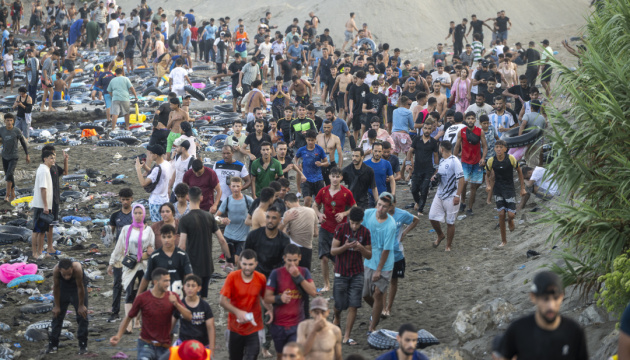
Migrant surge in Ceuta
According to Укрінформ — Мігранти: Ceuta, a Spanish autonomous city on Africa's northern coast, sits on the European Union's external border. The Spanish government says that more than 48,300 of the approximately 50,000 irregular migrants who entered Ceuta from Morocco have already gone back. Spain's Interior Ministry said on 31 July that almost 50,000 people had crossed the border in a single day. The ministry also reported at least 18 deaths during the crossing, while a Spanish government representative told Reuters that 57 bodies had been discovered on the Spanish side.
More casualties may lie on the Moroccan side. Some migrants drowned, and others died as they tried to climb over the breakwater that carries the border fence. A Spanish government official said:
“Most people who arrived yesterday have already returned to Morocco”
and added:
“the situation is returning to normal”
.
Implications for EU policy
The European Commission confirmed that the migrants were not continuing toward the rest of the European continent or other member states. The Spanish official suggested the sudden surge might have been triggered by a court ruling in Spain that limited the use of immediate return procedures for migrants.
What happened in Ceuta reflects the wider irregular migration challenge facing Europe as political and economic instability persists in North Africa. The fact that most migrants went back points to the effectiveness of border-control measures taken by Spain's government, but the many deaths underscore the dangers that people face while seeking a better life. The episode could also influence the EU's future migration policies and its cooperation with the countries from which these migrants originate.
The recent influx of migrants into Ceuta highlights the ongoing challenges faced by border authorities, as seen in a prior situation where Ceuta declared a state of emergency due to a rapid increase in migrant numbers. This pattern of sudden surges in migration underscores the complex dynamics of irregular migration in the region and raises questions about the effectiveness of current policies and support systems.

Read also