Trump Labels Netanyahu 'Mentally Unstable' Following Israeli Strike on Iran

Current State of the Israel-Iran Ceasefire
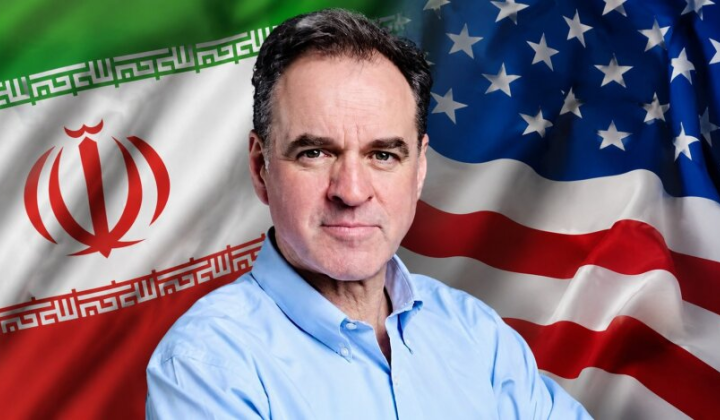
According to ХВИЛЯ: In an interview with journalist Rafaela Zivert, historian Niall Ferguson sheds light on the current state of the ceasefire between Israel and Iran, while also analyzing the role of U.S. President Donald Trump in these events. Ferguson highlights Washington's strategic missteps regarding the Strait of Hormuz and the progress of nuclear deal negotiations. He also examines the motivations of Israeli Prime Minister Benjamin Netanyahu, internal divisions within Tehran, and how these developments are reshaping the global balance of power, including the situation in Ukraine.
Tensions in the region escalated when Iran launched a strike on Israel in retaliation for Israeli attacks on Hezbollah in the suburbs of Beirut. In an effort to de-escalate the conflict, President Trump called Netanyahu and demanded that Israel not retaliate against Iran's attack. However, the Israeli prime minister ignored this demand and responded with a strike of his own. In a private conversation, Trump referred to Netanyahu as a 'f***ing psycho' and stood by those remarks, refusing to distance himself from them.
Ferguson argues that Iran insists Netanyahu is an obstacle to reaching any agreement. Iranian assets currently under sanctions are valued at roughly $100 billion, with a sticking point in negotiations involving about $24 billion in frozen Iranian funds. He also notes that since the start of the war, between 30,000 and 40,000 protesters have been killed in Iran.
Economic Pressure and Geopolitical Fallout
Ferguson points out that Trump’s approval ratings have been in freefall since the war began. He emphasizes that Iran wants to drag out negotiations, knowing that each passing week increases the economic pain for the United States, especially through inflation.
“So their pain threshold is much higher than that of the United States,”
the expert states.
Discussing the role of sanctions, Ferguson notes that American policymakers try to use them as an alternative to military force, when in reality they are a complement to it.
“If that’s enough to deter the U.S. Navy, then we are saying goodbye to Pax Americana-the American world order,”
he says.
Against this backdrop, Ferguson draws attention to the geopolitical consequences, particularly in Ukraine, where Russia has lost territory for the first time in a long while. Russian losses now exceed President Putin’s ability to recruit new soldiers, and the country is suffering from drone and missile attacks in areas near St. Petersburg and Moscow.
Ferguson concludes that the escalation of the air war between Russia and Ukraine is striking in its scale, and that the situation in Ukraine is a key aspect of the global context in which Israel-Iran negotiations are unfolding.
“But we all know: good deals are never made in a hurry-and the Iranians know that too,”
he adds, underscoring the complexity and uncertainty surrounding future agreements in the region.
This situation highlights the intricate geopolitical dynamics in the Middle East, where the strategic interests of Israel, Iran, and the United States intersect with global challenges like the war in Ukraine. The negotiations between Israel and Iran could significantly affect regional stability as well as international politics, as economic and military factors continue to play a crucial role in shaping the future of these nations.
As tensions continue to rise in the Middle East, the implications of Trump's remarks on Netanyahu are becoming increasingly significant. In a related discussion, the U.S. Vice President has come to Trump's defense, emphasizing the administration's stance on Iran and the complexities of the geopolitical landscape. Understanding these dynamics is crucial for grasping the full impact of the ongoing conflict and diplomatic efforts.

Read also