Trump Demands Ukraine Halt Strikes on Russian Refineries, Seeks Diesel Fuel Deal with Moscow

US President’s Conditions for Ukraine
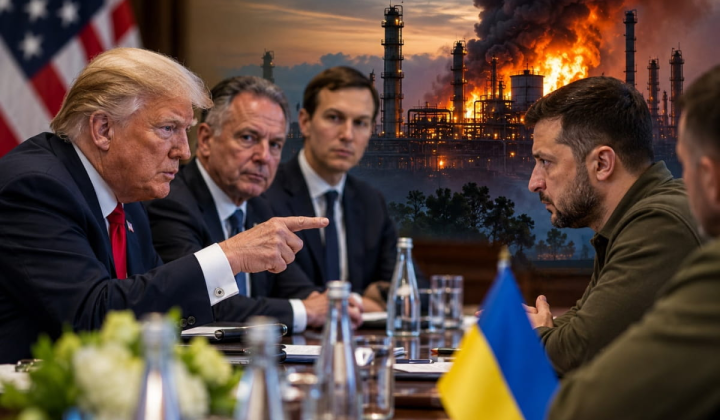
According to 5 канал: President Donald Trump has called on Ukraine to stop targeting Russian oil refineries. This demand was confirmed by a senior Ukrainian official and was a key topic during a meeting in Miami between Trump’s special envoys, Steven Witkoff and Jared Kushner, and the Ukrainian delegation. Discussions also included the potential suspension of intelligence sharing with Ukraine, raising concerns among Ukrainian representatives.
Witkoff described the talks with the Ukrainian delegation as constructive. The agenda covered several critical points, including:
- short-term winter preparedness measures,
- security guarantees for Ukraine,
- agreements aimed at preventing new conflicts,
- the prospect of an energy ceasefire,
- resumption of grain exports and support for Ukraine’s post-war reconstruction.
Negotiations and Their Implications
Following these talks, US representatives plan to engage with the Russian side. President Trump has decided to pursue a deal with Russia to supply diesel fuel, a move reportedly prompted by Ukraine’s refusal to end attacks on Russian refineries. This agreement was communicated to Ukraine by Trump’s envoys, Witkoff and Kushner. During negotiations, concerns were raised as Trump’s team allegedly threatened to cut off US intelligence access to Ukraine if their demands were not met.
This development highlights the complex dynamics in US-Ukraine relations amid the ongoing regional conflict. Washington’s insistence on halting attacks on Russian infrastructure may signal a strategic shift aimed at reducing hostilities. However, this raises serious worries about Ukraine’s security and its ability to defend its interests, a situation that has alarmed Ukrainian officials and analysts and could significantly influence the conflict’s future trajectory.
In light of Trump's recent demands, the conversation around Ukraine's leadership and its negotiating strategy with Russia has gained prominence. This situation echoes the ongoing discourse about the need for new approaches in diplomacy, as highlighted in discussions about the necessity for a fresh Ukrainian leadership that can effectively engage in negotiations. Understanding these dynamics is crucial for grasping the broader implications of the current geopolitical landscape.

Read also