Trump's Ultimatum to Iran: Unconditional Surrender and a New Leader

US President's Demands to Tehran
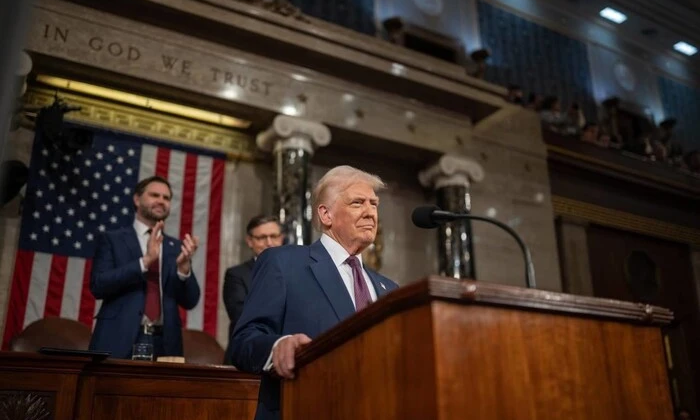
According to Главком: President Donald Trump has issued a stark ultimatum to Iran, demanding its unconditional surrender and a change in leadership. This strategy, which involves regime change, has triggered a crisis within Trump's own electoral base and exposed a deep rift among Republicans. The ongoing conflict is also having a significant impact on the US economy, affecting fuel prices and the labor market. Trump further expressed a desire to participate in the selection of Iran's next leader and noted that the US has no confirmed evidence of Russia providing aid to Iran.
Trump stated he would accept nothing less than Iran's total capitulation and promised to help rebuild the country's economy if a leader acceptable to Washington emerges. He emphasized a desire to avoid recurring US military entanglements, declaring:
"We don't want to come back every five or ten years and do this again. We want to elect a president who will not lead his country into war."
Economic Fallout and Domestic Backlash
Amid an energy shock, the US national average price for a gallon of gasoline has surged from $2.98 to $3.32, reaching a peak for Trump's term in office. This price hike coincides with American employers beginning to cut jobs. Despite some economic gains, housing and everyday goods remain unaffordable for many.
Criticism of Trump's strategy is also coming from within the Republican Party. Prominent conservative voices like Tucker Carlson, Megyn Kelly, and Marjorie Taylor Greene have opposed his stance. Republican Congressman Thomas Massie pointed out that the party is now split between those advocating for a war fought to victory and those criticizing the past mistakes of George W. Bush.
Against a backdrop of rising tensions and economic challenges, Trump's position is generating increasing scrutiny from both supporters and opponents. This situation underscores the complexity of US domestic and foreign policy, where the President's strategic decisions can have far-reaching consequences not only for America but for international stability.
The growing internal GOP criticism highlights the unpredictable nature of the current political landscape and its potential implications for future elections, as the tension between traditional conservatives and newer populist voices could significantly sway voting outcomes. The US has a long and complex history with Iran, dating back to the 1979 revolution, which adds a critical layer of context to these escalating demands.

Read also