Trump Rejects Deadlines in Iran Conflict, Says Naval Blockade Outperforms Airstrikes

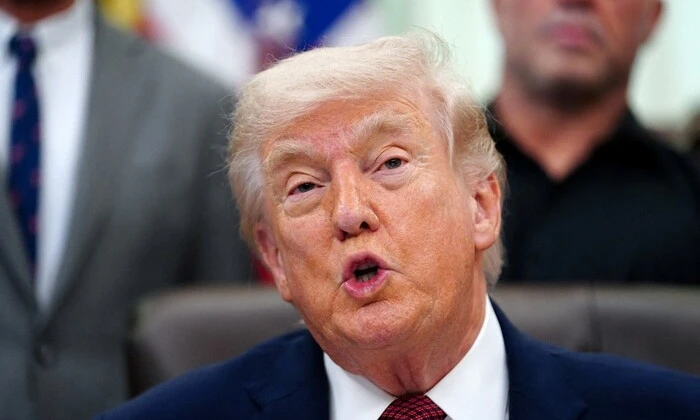
Trump's Remarks on the Iran Conflict
According to Главком: U.S. President Donald Trump stated there are no deadlines for ending the war with Iran, dismissed any link between military operations and the upcoming midterm elections, and emphasized that a naval blockade is more effective than airstrikes. He expressed hope for resuming negotiations with Tehran, adding that the duration of any ceasefire depends on his decisions.
In an interview with Fox News, Trump said he has no intention of acting with elections in mind, stressing:
'People say I want to end this because of the midterms-that's not true. We want to strike a good deal for the American people.' Donald Trump
The president also pointed out that a naval blockade exerts stronger pressure on Iran than airstrikes, noting:
'The blockade scares them even more than bombing does.' Donald Trump
Trump further noted that damage to oil infrastructure could have long-term consequences for Iran. He spoke positively about Iranian Foreign Minister Abbas Araghchi, saying: 'He is a smart person. I think when talks resume, he will still be in his position.'
Political Backing for Trump's Strategy
Meanwhile, the U.S. Senate rejected, for the fifth time, a Democratic attempt to limit Trump's military actions against Iran, signaling political support for his approach in this arena.
Trump's statements on Iran strategy and his intent to reach a deal without tying it to political context may indicate a desire to focus on diplomacy, despite ongoing military operations. The Senate's rejection of the Democratic bill shows that the Trump administration retains parliamentary backing to continue its Iran policy, which could influence future negotiations and regional stability.
In light of Trump's recent comments on the effectiveness of military strategies in Iran, it's important to consider the broader implications of the U.S. Senate's actions. The Senate's repeated rejection of attempts to limit Trump's military authority reflects a unified political stance that could significantly shape future diplomatic efforts. For more insights on the Senate's position regarding military actions against Iran, see the latest developments.

Read also