Protective Structures on Kyiv’s Monuments Are Being Removed Due to Mold and Damage Concerns

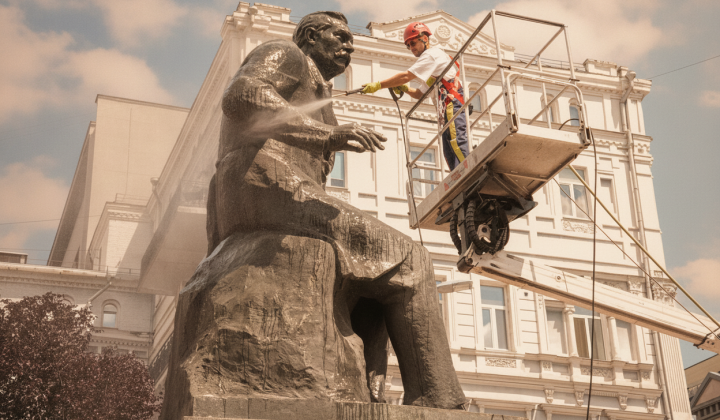
Removal of Protective Barriers on Kyiv’s Monumental Artworks
According to Рубрика — Суспільство: In Kyiv, the partial dismantling of temporary protective structures installed on monumental artworks is underway to assess their condition and determine future preservation measures. These barriers were erected in early 2022 on 18 monuments to shield them from blast waves and debris damage amid ongoing conflicts. Inspections have revealed the growth of mold, invasive vegetation, and damage to pedestals. Decisions to remove, upgrade, or reinstall these protective systems are being made on a case-by-case basis, depending on each monument’s technical state and the current security environment.
These protective installations, created through the collaboration of city services, volunteers, and charitable organizations, played a vital role in safeguarding the monuments. For example, during one attack, scaffolding shielded the monument to Mykhailo Hrushevskyi on Volodymyrska Street from harm. However, prolonged coverage using airtight or dense materials has led to increased humidity and temperature fluctuations, which can accelerate deterioration.
- Inspection of the marble monument to Princess Olga revealed mold caused by moisture trapped within the sand-based shelter.
- Under the protective scaffolding of the Bohdan Khmelnytsky monument, plant growth was observed, with roots damaging the pedestal’s structure.
- Disruption of the natural microclimate beneath the covers can also lead to efflorescence and corrosion on bronze elements.
Adopting Digital Documentation Techniques
Kyiv is incorporating international best practices for digital preservation of monuments, including 3D scanning, photogrammetry, and precise measurements. This digital archive serves as a scientific foundation for restoration efforts or reconstruction if damage occurs. Kyiv’s approach to protecting monuments amid frequent air raids has attracted attention from the global conservation community.
“In the first months of 2022, city teams along with volunteers and donors rapidly installed protective structures on 18 monuments,” said Serhiy Saburov.
The removal of these protective installations reflects the need to evaluate their long-term effects on the monuments, especially under conditions of elevated humidity and temperature shifts. This process highlights the delicate balance between defending cultural heritage and maintaining its physical integrity. Leveraging international experience in digital monument documentation offers a crucial tool for future restoration and preservation efforts.

Read also