Popular Blogger Detained in Russia as Authorities Move to Block His State Duma Bid

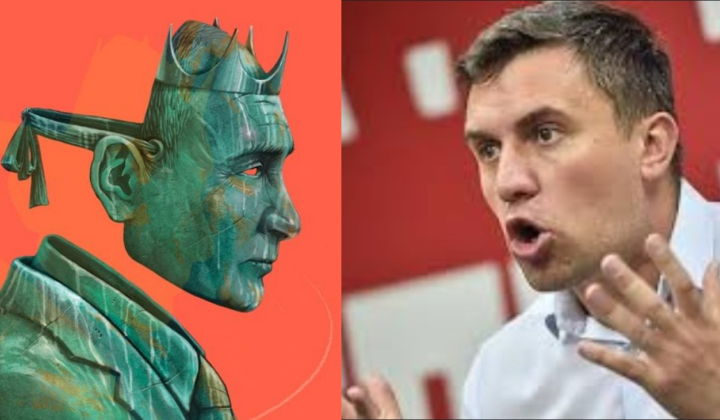
Nikolay Bondarenko Detained
According to Radiotrek — Світ: News emerged on August 21, 2026, that Nikolay Bondarenko, a well-known political blogger and deputy from Russia’s Communist Party (CPRF), had been taken into custody. The arrest is widely seen as an attempt to stop him from running in the State Duma elections. Bondarenko faces charges under Article 20.3 of Russia’s Administrative Code, which punishes public display of Nazi or extremist insignia. The protocol stems from a 2024 post that allegedly contained extremist symbols. The CPRF has responded by saying the post came from a fake account and was not Bondarenko’s, with party leadership condemning the situation as “unacceptable.”
Background
Bondarenko, a deputy in the Saratov regional council, built a massive following on YouTube-his “Diary of a Deputy” channel has more than 2.07 million subscribers. He first attracted attention in 2018 with his “minister’s diet” online experiment: for one month, he lived on 3,500 rubles, after a Saratov official claimed that amount was “perfectly sufficient for physiological needs.” The videos drew millions of views, and the official was later fired.
- In 2022, Bondarenko was stripped of his deputy mandate over anti-corruption violations linked to monetizing his YouTube channel.
- In 2021, Ukrainian lawmakers discussed offering Bondarenko political asylum after he called Russia’s annexation of Crimea illegal.
Rostislav Murzagalov, who left Russia for Ukraine, described the arrest as a bad sign for the Kremlin.
“To bring an officially registered candidate to administrative responsibility, authorization from the Russian Prosecutor General’s Office is required.” - Rostislav Murzagalov
If the court rules against Bondarenko, he could lose voting rights and be removed from the race.
The detention of Bondarenko fits into a broader trend of tightening pressure on opposition figures in Russia. By keeping him off the ballot, the authorities are seeking to limit political competition and tighten their grip on the electoral process. His case also illustrates the difficulties faced by even highly popular opposition voices in an environment marked by heavy censorship and political repression.

Read also