Sharp Drop in Willing Russian Recruits for Ukraine War

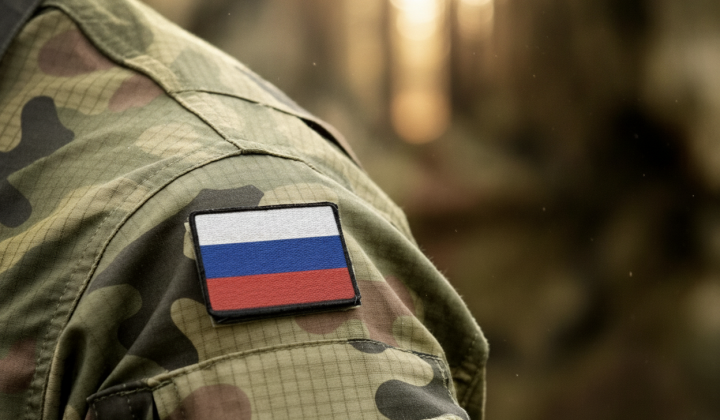
Russia Sees Major Decline in New Army Enlistments
According to Главком: Russia is experiencing a notable decrease in the number of people willing to join its military. In Moscow, during the spring of 2026, the flow of new recruits fell by roughly one-third compared to the same period the previous year. In April of this year, 1,708 contract soldiers were sent to the front, followed by 1,378 in May. These figures are significantly lower than those recorded in 2025 and 2024, pointing to a waning interest in military service.
Recruitment Challenges for the 'Rubicon' Unit
Beyond the overall decline in recruits, the 'Rubicon' drone systems unit faces its own set of hiring difficulties. Service members looking to sign contracts with Rubicon are unable to extend their agreements. Most candidates for this unit have failed to meet its stringent selection criteria.
As a source in the Moscow city administration notes, 'the situation is consistently poor; fewer people are willing to join the army, and the number of motivated volunteers is shrinking even faster.'
Due to the shortage of new recruits, military units are now forced to seek contract soldiers from other regions, particularly Dagestan. This is confirmed by a source from a Siberian military unit, who states that 'recruits have to be found in other areas, such as Dagestan.' Currently, those who have signed contracts with Rubicon make up about one-third of the total recruit flow.
Overall, the recruitment situation in Russia remains difficult, with a continuing downward trend in the number of people willing to serve. Sources within Moscow’s military structures point to growing challenges in attracting new volunteers, threatening the military's ability to fill its ranks.
This decline in new enlistments may reflect a broader drop in motivation for military service, driven by both domestic and external factors. The reduced interest in the army-especially in specialized units like Rubicon-could impact the country's readiness to carry out its military objectives in the future. It also underscores the need to reassess service conditions and recruitment strategies to draw in more candidates.
The ongoing challenges in recruitment are further complicated by reports of coercive measures employed by Russian security forces, which are forcibly sending men to the front lines. This alarming trend highlights not only the dwindling pool of willing volunteers but also the lengths to which authorities are resorting to maintain troop numbers amidst a significant decline in enlistment interest.

Read also