US Tests Underwater Stirling Engine Generator to Power Subsea Drones

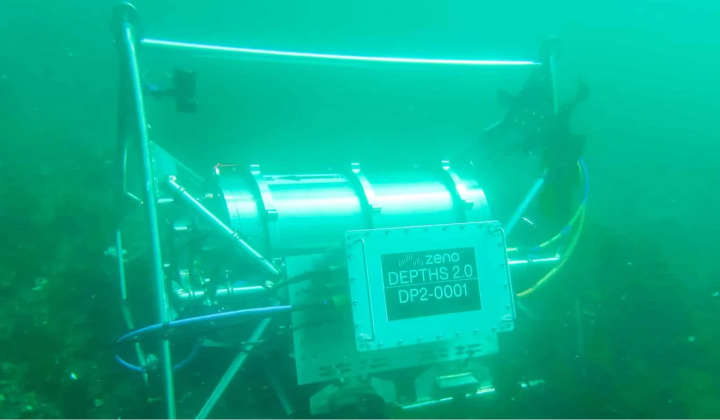
Ocean Floor Stirling Engine Powers Next-Gen Underwater Devices
According to НВ — Техно: In a groundbreaking trial, American firm Zeno Power has demonstrated a prototype underwater generator powered by a Stirling engine, designed to supply energy to subsea drones and sensors. This innovative device harnesses heat generated from radioactive decay, enabling continuous operation for years without external power sources. The recent two-week test in Washington state waters produced over 20 watts of electricity. Notably, the prototype used an electric heater to simulate thermal output instead of actual nuclear fuel, ensuring a safe and controlled evaluation.
Future Potential and Development Plans
The Stirling engine converts temperature differences into mechanical motion, which then generates electricity, with the cold ocean floor acting as an effective heat sink. Planned commercial versions of this generator will range from 15 watts up to several hundred watts, designed to operate for more than five years independently, eliminating the need for tethered cables.
Zeno Power has secured over $165 million in funding, including contracts from the Pentagon and NASA, underscoring strong governmental interest in this technology. Although the test depth remains undisclosed, the company aims to conduct further trials using actual radioisotope fuel in a controlled tank by 2027. Following these tests, Zeno Power intends to deploy a nuclear-fueled unit on the seabed. This advancement could transform power delivery methods for underwater technology moving forward.
The development of this underwater Stirling engine generator opens new avenues for powering autonomous subsea drones, which are increasingly vital for oceanographic research and military applications. As demand for independent underwater systems grows, the success of this prototype may accelerate innovation in the field. Upcoming commercial models powered by radioisotope fuel promise enhanced efficiency and extended mission durations, critical for operating in challenging underwater environments.

Read also