Discovery of a Danish Shipwreck from 1683 Near Sweden Reveals Slave Trade Artifacts and a Historic Mutiny

Uncovering the Havmanden Shipwreck
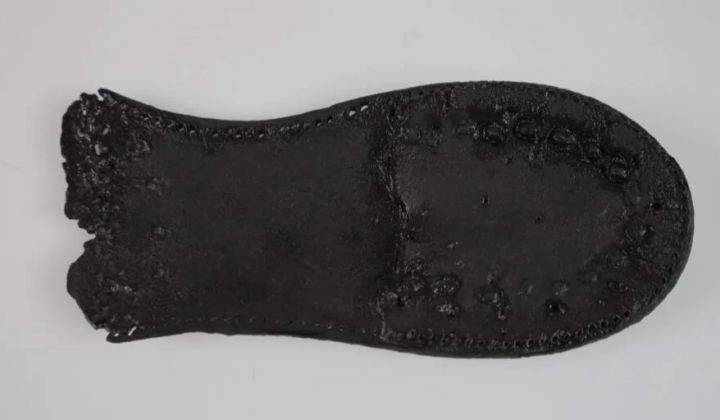
According to НВ — Техно: In 2026, underwater archaeologists discovered the remains of the Danish ship Havmanden off the coast of Sweden. Dating back to 1683, this vessel is historically significant as the site where Governor Jørgen Iversen Dyppel, the first Danish governor of Saint Thomas island, was killed during a mutiny. Excavations at the wreck revealed a 17th-century leather boot, metal manillas-ring-shaped currency used in the transatlantic slave trade-and an embroidered button. These artifacts shed new light on Denmark's colonial activities in the Caribbean and its involvement in the slave trade.
The Havmanden embarked from Copenhagen in 1683, carrying prisoners to the Danish colony of Saint Thomas in the Caribbean Sea. During the voyage, a mutiny erupted that resulted in the murder of Governor Dyppel, whose body was discarded into the English Channel. The rebels commandeered the ship and headed for the Azores, where some passengers were set ashore. Eventually, the ship sank near the Swedish archipelagos close to Gothenburg.
The Importance of the Findings
Among the recovered items was a finely crafted leather boot from the 17th century. According to Vivi Lena Andersen, Director of Museums in Rudersdal, the boot features meticulously spaced stitch holes, indicative of advanced craftsmanship.
“Creating such precise perforations required specialized tools and the skill of an experienced artisan,” she explained.
Also discovered were metal rings known as manillas, which European traders used as a form of payment in the West African slave markets. Manillas are rarely found in Scandinavian archaeological sites, pointing to Havmanden's direct connection to the transatlantic trade routes linking West Africa and the Caribbean.
It is noteworthy that in 2026 Denmark also uncovered its largest Viking-era silver hoard, weighing 18.5 kilograms and comprising roughly 700 items and fragments. This treasure was buried in a clay vessel around the 10th century near Rebild. Prior to this, the largest Viking silver hoard in Denmark weighed only 6.5 kilograms. These discoveries, including the governor’s boot, hold great significance for both Denmark’s personal and colonial history in the West Indies, as highlighted by Andreas Kallmayer Bloch.
The revelation of the Havmanden shipwreck and its cargo opens new avenues for exploring Denmark’s colonial past, especially regarding the slave trade and European-Caribbean relations. These finds are expected to encourage further archaeological research aimed at deepening our understanding of the social and economic dynamics of that era.
Additionally, the Viking silver hoard emphasizes Denmark’s rich cultural heritage. Both discoveries reflect a growing regional interest in history and archaeology, which could enhance tourism and educational initiatives dedicated to promoting Danish history.
As the discovery of the Havmanden shipwreck highlights Denmark's colonial past, it draws parallels with other significant archaeological finds in the region. For instance, a recent excavation in Norway revealed an impressive hoard of Viking silver coins, offering insights into the trade practices of the era. Such discoveries not only enrich our understanding of historical trade routes but also emphasize the intricate connections between different cultures. To explore more about this fascinating Viking find, visit Norway's largest Viking hoard.

Read also