Expert Breakdown: The Kerch Bridge Strike, Russia’s Failed Offensive, and Europe’s Role in Diplomatic Talks

In-Depth Look at the Kerch Bridge Attack
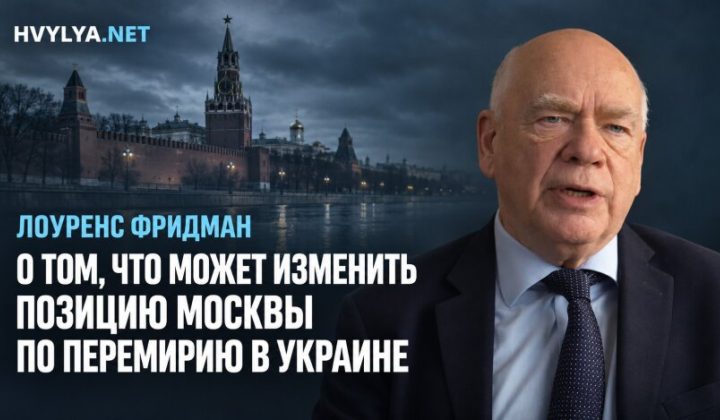
According to ХВИЛЯ: The Global Gambit podcast, featuring Petro Kurzin and Sir Lawrence Freedman, Emeritus Professor at King’s College London, delves into Ukraine’s strikes on the Kerch Bridge, beginning with the initial attack in October 2022. A subsequent strike inflicted notably greater damage, occurring while Putin was visiting China. The day after this second assault, Russia launched a wave of drones and missiles against Ukraine, signaling a sharp escalation in the conflict.
Regarding frontline developments, Ukraine has been targeting Russian oil refineries heavily for the past two to three weeks. The podcast suggests Russia will likely repair the railway section of the Kerch Bridge but abandon the road section, which is strategically more crucial as it connects Crimea and remains vulnerable to repeated attacks.
Amid ongoing strikes, Russia is attempting to cut off heat, electricity, internet, water, and sewage services in major Ukrainian cities. Despite this, a large-scale mobilization within Russia has yet to take place. Estimates indicate Russian military casualties range between 550,000 and 700,000. Additionally, Russia is recruiting African nationals under misleading contract terms to replenish its forces.
Military Campaigns and Global Diplomacy
The Russian offensive launched in 2026 failed to achieve its objectives. Earlier, Ukraine’s 2022 counteroffensive swiftly advanced to Kherson but eventually lost momentum. The 2023 counterattack yielded some gains but was hindered by heavy losses. In 2024, Russia held a slight advantage but could not capitalize on it, and its advances slowed significantly in 2025 and further in 2026.
Putin’s demands to NATO have grown more extreme than the draft treaties proposed in December 2021, yet Russia’s Foreign Ministry does not expect these demands to be met. While Putin invited European leaders to Moscow for talks, European governments remain divided over their role in negotiations with Russia.
“China does not endorse Russia’s vision for ending the war in Ukraine and does not insist on Ukraine making territorial concessions.” - The Global Gambit Podcast
The podcast emphasizes that China does not support Russia’s endgame in Ukraine nor demands territorial compromises. China’s early 2023 attempt to mediate the conflict failed to produce significant results. Relations between China and Russia continue regularly but are unequal, favoring China and highlighting Russia’s growing dependence on Beijing alongside its declining influence in Europe.
Ukraine has also targeted Russian naval assets, including operations affecting regions such as Africa and Libya. Russia continues to back regimes in the Sahel and Libya with mercenaries and military aid. Despite the presence of former Wagner Group units, Al-Qaeda remains a significant force in the Sahel region.
The ongoing conflicts in Ukraine and Iran reflect a relative decline in American global power. However, the U.S. Congress may increase support for Ukraine moving forward. Analysts assess that Russia is unlikely to fulfill its goals in its special military operation, while China’s influence is growing-though it does not seek to replace the United States as a global leader.
Finally, Europe is acting with greater independence from the U.S. but remains fragmented and lacks cohesive leadership. Political elections in countries like France and Poland complicate efforts to maintain unity. This ongoing instability poses serious risks to regional security.
The podcast offers a comprehensive analysis of the conflict’s military and political dimensions, highlighting Russia’s increasing reliance on China as a factor that could reshape regional power dynamics and international relations. Meanwhile, the unfolding military developments in Ukraine carry global significance, potentially triggering major geopolitical shifts.
The evolving dynamics of the Ukraine conflict have significant implications for military strategies and international relations. To gain further insight into the recent developments, including the role of drone warfare and the effects of Prigozhin's rebellion on the battlefield, explore our detailed analysis on the ongoing challenges faced by Ukraine in 2024.

Read also