Russia's oil refineries have become Ukraine's most effective target, analysts say

Drone attack on the Taneco refinery
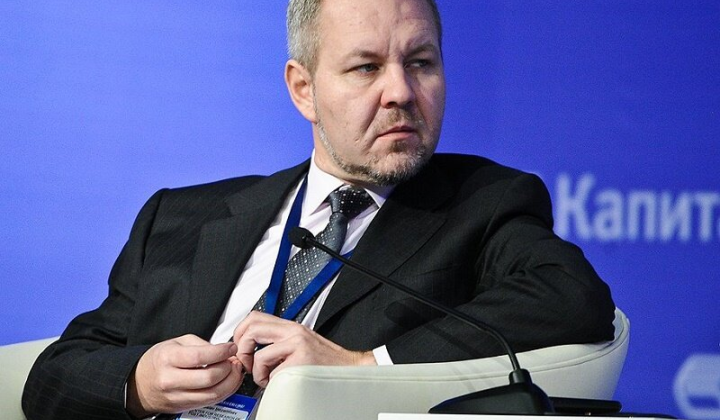
According to ХВИЛЯ: In the early hours of August 10, Ukrainian drones struck the Taneco oil refinery in Nizhnekamsk, Tatarstan. The plant, which can process about 16 million tons of crude per year, had been on Ukraine's priority target list since last year. In comments on the YouTube channel Russia Talk, economist Vladislav Inozemtsev argued that strikes of this kind are the most effective option for Ukraine because they produce serious economic damage inside Russia. The attack fits into Ukraine's broader campaign to disrupt Russian fuel supplies and cut export revenue.
Economic fallout and Russia's response
Gasoline shortages spread across dozens of Russian regions in June and July, including Moscow and St Petersburg. Fuel stations imposed purchase limits and switched to coupon-based sales. Western industry analysts estimated that almost a third of Russia's refining capacity was out of operation. The authorities responded by moving fuel reserves from regional depots and easing fuel quality requirements.
The shortage prompted a sharp rise in car repair requests in Moscow, with demand climbing roughly sixfold. In the meantime, the state has compensated oil companies for their losses through the damping mechanism and subsidies. Inozemtsev said that attacking refineries, ports, and tankers remains the most consequential way to put pressure on Russia's economy.
“The Kremlin dismisses these strikes as mosquito bites. They make the war more expensive, but they do not alter the Kremlin's resolve-that is the problem,” - Vladislav Inozemtsev.
Ukrainian strikes on Russian refineries have thus become a key part of the war strategy, inflicting heavy economic costs on Russia while leaving its strategic decision-making largely unchanged. As fuel shortages deepen and Moscow reacts, economic pressure is clearly turning into a significant battlefield factor. Still, despite these strains, the Kremlin continues to follow its military path, underlining how prolonged and intricate the conflict has become.
As the conflict escalates, the repercussions of Ukrainian drone strikes on Russian oil facilities have become increasingly evident. Notably, a recent attack on the Omsk refinery resulted in a significant ban on diesel exports, highlighting the broader implications of these targeted operations on Russia's fuel supply chain and export capabilities.

Read also