Putin forced to choose between war and peace as Ukraine strikes cripple Russia’s oil sector

Ukraine targets Russian oil infrastructure
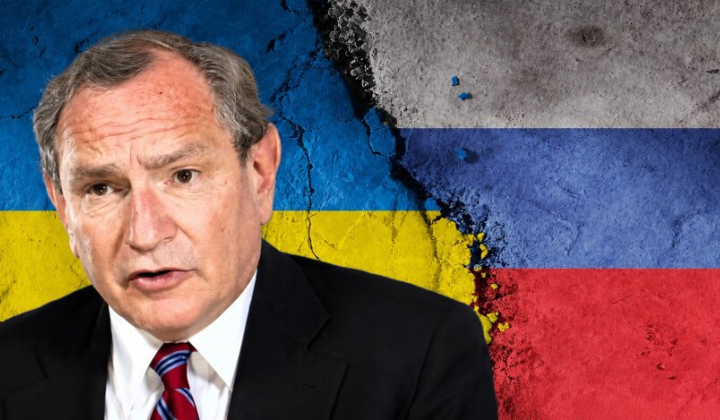
According to ХВИЛЯ: Ukraine is carrying out strikes on Russia's oil infrastructure in an effort to push Moscow toward negotiations. These operations come as Vladimir Putin himself acknowledges fuel shortages across the country, including in Crimea. George Friedman, founder and chairman of Geopolitical Futures, analyzes Russia’s economic crisis, noting internal factions are debating the possible use of tactical nuclear weapons while the Kremlin faces a stark choice between continuing the war, escalating further, or pursuing peace.
Ukraine continues to hit Russian energy and oil facilities. This strategic approach aims to undermine Russia’s most critical asset. According to Friedman, “By striking Russia’s oil complex, the Ukrainians are hitting a fundamental asset-both in terms of the money Russia earns from exports abroad and, more importantly, within the country itself.” While Russia still exports oil to China and India, domestic fuel disruptions point to serious problems in its energy sector.
Russia’s internal factions and their impact on the conflict
Putin has admitted that Russia is experiencing fuel shortages affecting the entire nation.
“It’s not about the high price of oil. It’s about the lack of it, and therefore the lack of fuel and many other things,” Friedman emphasizes.
This could increase pressure on Russian society, which, as the analyst notes, “will to some extent have to decide whether Ukraine is worth all this.”
Internal factions in Russia-including hawks, peace advocates, and those supporting the use of tactical nuclear weapons-are engaged in heated debates. Friedman points out that “there is no such thing as tactical nuclear weapons. There is strategic nuclear weapons and non-strategic ones, but any nuclear strike is a nuclear strike.” Using such weapons would have severe consequences.
“Poland would be terrified, but the United States would also intervene. It would cross a line,” the analyst warns.
Friedman also notes that the United States does not recognize the concept of “tactical nuclear weapons” and considers any nuclear strike to be strategic. “Americans haven’t used nuclear weapons for decades, even when losing wars,” he stresses. This suggests that if Russia were to deploy nuclear arms, it could trigger a strong international response.
- Former U.S. President Donald Trump failed to fulfill his promise to end the war in Ukraine through negotiations with Putin.
- Friedman notes that “this failure has not been forgotten,” and its consequences could affect international politics.
- He also highlights the importance of unpredictability in global relations, saying, “When playing poker, it’s much more advantageous to be unpredictable than predictable.”
Regarding Russia’s domestic politics, the analyst points to serious disagreements over next steps. “This tells me that either there is a serious internal debate in Russia about what to do next, or Russia lacks the capacity for large-scale action,” Friedman says. The situation is further complicated by the limited capabilities of the Belarusian army, which is minimal and unfit for long-distance warfare.
Thus, Ukraine should continue its strategy of striking Russian oil infrastructure, as this could help pressure Russia into negotiations. At the same time, internal divisions within Russia may shape the conflict’s future trajectory.
Ukraine’s efforts to attack Russian oil infrastructure may reflect Kyiv’s aim to push for negotiations, especially given Russia’s acknowledged fuel shortages. This deficit, combined with economic difficulties, could act as a catalyst for change in Russia’s domestic politics amid ongoing debates over next steps. It is important to monitor developments, as they could significantly affect the strategies of both countries and the international response to the conflict.
As Ukraine intensifies its efforts to disrupt Russia's oil capabilities, the implications of these strikes extend beyond immediate military concerns. This recent escalation raises questions about the sustainability of Russia's energy sector and its potential impact on the Kremlin's decision-making process. To understand how Ukraine has effectively targeted Russian refineries, leading to significant disruptions, read more in our article about Ukraine's strategic strikes on oil refineries.

Read also