Joint Water Testing on Dniester River Follows Russian Attack

Cross-Border Water Sampling on the Dniester
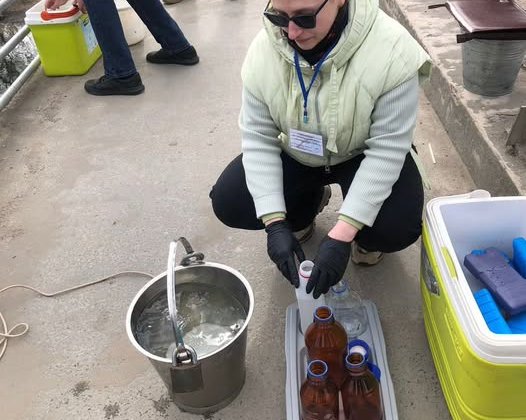
According to Мін. Економіки: In response to river contamination, Ukraine and Moldova have jointly collected water samples from the transborder section of the Dniester River in Vinnytsia Oblast. This contamination was a direct result of a combined Russian missile and drone strike on the Dnistrovska Hydroelectric Power Plant in early March. The Dniester is a vital water source for both nations, making this environmental damage a shared concern.
The sampling was conducted in line with agreements from an emergency meeting of the Commission on the Sustainable Use and Protection of the Dniester River Basin. On the Ukrainian side, samples were taken by the Water Monitoring Laboratory of the Western Region under the State Water Resources Agency. Moldova, in turn, performed its sampling through the reference laboratory of its Environmental Agency.
For a more in-depth analysis, additional samples were sent to the Institute of Hydrobiology of the National Academy of Sciences of Ukraine. Within the Dniester Commission framework, the Ministry continues to coordinate interagency and international cooperation to enable a swift response to the river pollution.
The Critical Role of International Cooperation
This joint action by Ukraine and Moldova underscores the necessity of international collaboration in addressing environmental crises triggered by warfare. River pollution can have severe consequences for local ecosystems and the populations in both countries that depend on these water resources. The analysis of the water samples will form the basis for subsequent measures to clean up and protect the Dniester River.
In light of the recent environmental crisis caused by the Russian attack, it is crucial for Ukraine and Moldova to not only address the immediate contamination of the Dniester River but also seek broader international support. This situation highlights the urgent need for diplomatic measures, as both nations aim to garner global condemnation of the aggression that threatens their shared water resources and ecosystems.

Read also