Ukraine Opposes Appointment of Ferapontov to IAEA Leadership Over Zaporizhzhia Nuclear Plant Security Concerns

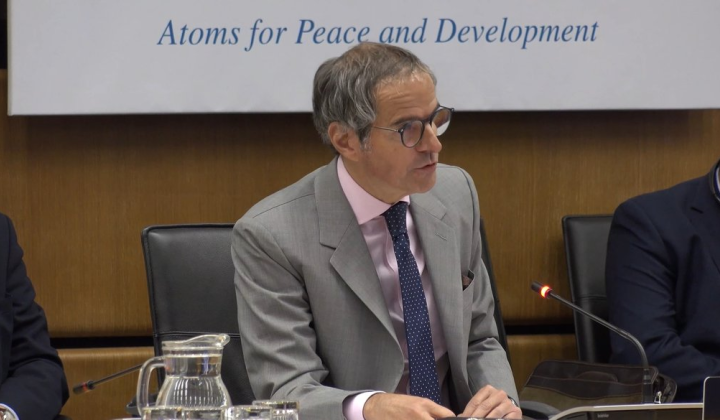
Ukraine Opposes Alexey Ferapontov’s Potential Role at the IAEA
According to Рубрика — Політика: Ukraine has strongly objected to the proposed appointment of Russian official Alexey Ferapontov as Deputy Director General of the International Atomic Energy Agency (IAEA), citing his involvement in legitimizing Russia's seizure of the Zaporizhzhia Nuclear Power Plant (ZNPP) and the Ukrainian sanctions imposed against him. Ukraine’s Ministry of Energy deems this personnel decision unacceptable, emphasizing that IAEA leadership must maintain full transparency and strict impartiality, especially when choices could undermine member states’ confidence in the Agency.
Ferapontov currently serves as deputy head of Russia's Rostekhnadzor and is subject to personal sanctions by Ukraine, enacted through a presidential decree on February 12, 2023. IAEA Director General Rafael Grossi intended to appoint him as head of the Agency’s Nuclear Energy Department. However, Ukraine highlights that such a move violates the IAEA’s independence and poses risks to safety at the Zaporizhzhia plant, which remains under Russian occupation and is reportedly exploited for military purposes. The IAEA Board of Governors and General Conference have repeatedly called on Moscow to halt illegal activities at ZNPP and restore Ukraine’s control over the facility.
Current Conditions at the Zaporizhzhia Nuclear Power Plant
The situation at ZNPP continues to be unstable. On November 8, 2026, the plant experienced a complete loss of external electricity supply after the final power line connecting it to Ukraine’s energy grid was cut. This marked the 16th total blackout at the station since the start of 2026. During these outages, the plant’s own power needs have been met solely through backup diesel generators. Later that evening, Ukrainian energy workers managed to restore a 330 kV transmission line, "Ferosplavna-1," which provides external power to the station. Despite this, the plant-still under temporary Russian control-is facing falling water levels in its cooling pond, insufficient diesel fuel reserves, and a shortage of qualified personnel.
Russia has rejected Ukraine’s proposals aimed at improving ZNPP’s external power supply. The occupation of Zaporizhzhia, combined with attacks on the containment structure of Chernobyl’s Unit 4 and assaults on the regional power grid, have created heightened nuclear safety risks demanding immediate attention.
Ukraine’s objection to Ferapontov’s appointment reflects broader concerns over nuclear facility security amid ongoing military aggression by Russia.
Ensuring control and security of the Zaporizhzhia plant is a critical issue not only for Ukraine but also for the global community due to the potentially severe nuclear safety implications in the region. Given the plant remains under occupation, international responses to appointments linked to Russian authorities could significantly influence trust in the IAEA and its capacity to uphold its responsibilities.
The ongoing instability at the Zaporizhzhia Nuclear Power Plant raises significant concerns regarding nuclear safety, particularly in light of recent power outages and resource shortages. As the situation deteriorates, it is crucial to understand the implications of these challenges on the facility's operations. For a deeper insight into the current state of safety at ZNPP, including issues related to fuel and staffing, see our detailed report on deteriorating nuclear safety conditions.

Read also