Ukraine Condemns Appointment of Russian Ferapontov as IAEA Deputy Director Amid Sanctions and Zaporizhzhia Nuclear Plant Occupation

Controversy Surrounds Russian Official’s New Role at IAEA
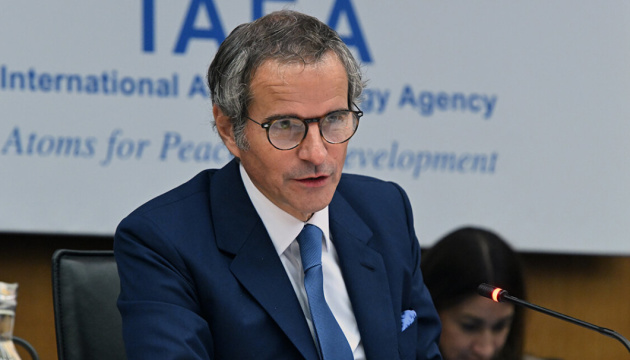
According to Рубрика — Політика: Rafael Grossi, Director General of the International Atomic Energy Agency (IAEA), addressed the recent appointment of Russian official Aleksei Ferapontov as the agency’s Deputy Director General. Grossi described the decision as a routine staffing matter. Ferapontov, formerly deputy head of Russia’s Rostekhnadzor, is set to lead the IAEA’s Department of Nuclear Energy. Despite this, Ukraine has strongly opposed the appointment due to Ferapontov’s ties to Russian government bodies implicated in the occupation of the Zaporizhzhia Nuclear Power Plant (NPP), as well as the international sanctions imposed on him.
The Zaporizhzhia NPP remains under Russian military control and is reportedly being used for strategic military purposes. Ukraine’s Ministry of Foreign Affairs has urged the IAEA to reconsider Ferapontov’s nomination, emphasizing that their objection is based on his actions rather than his nationality. Over recent months, Ferapontov has faced criticism for his involvement in legitimizing Russia’s illegal control over the facility.
"The appointment of Russian Aleksei Ferapontov as my deputy is a routine personnel decision." Rafael Grossi
Grossi pointed out that Ferapontov is assuming a role previously held by another Russian official, which did not provoke public controversy at the time. Nevertheless, Ukraine’s stance remains firm, and member states of the IAEA are expected to scrutinize this appointment from a principled standpoint.
Ukraine and Global Community Voice Serious Concerns
The elevation of Aleksei Ferapontov to a senior position within the IAEA has raised alarm among Ukraine and international observers given his direct involvement in endorsing Russia’s actions in Ukraine. The ongoing Russian military presence at the Zaporizhzhia NPP is a critical issue in the conflict, with significant implications for international nuclear safety.
This development highlights the vital need for strict adherence to independence and neutrality in international agencies like the IAEA, ensuring that global nuclear governance remains free from political influence amid ongoing geopolitical tensions.

Read also