A Ukrainian Mom’s Perspective on Spanish Preschools: High Enrollment, Kids Attending Despite Colds, and Fees Up to €300

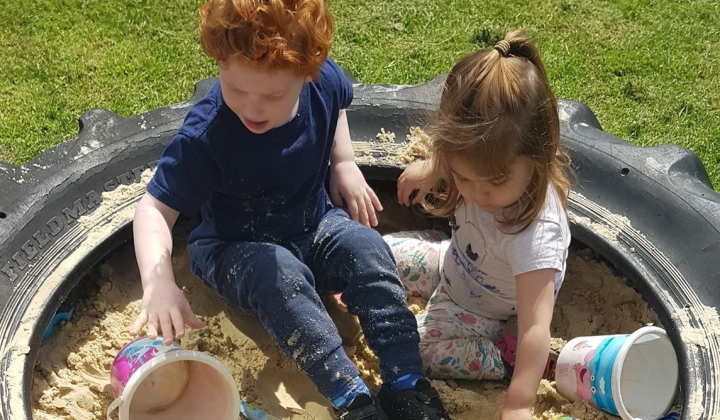
"Everyone Seems to Turn a Blind Eye": Ukrainian Shares Impressions of Preschools in Spain
According to Radiotrek — Світ: Date and Time: Tuesday, October 27, 2026, 12:40 PM
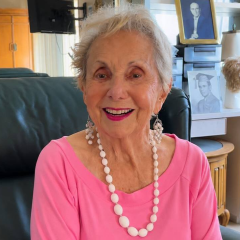
Anna Zaslavska, a Ukrainian mother, recently recounted her observations about how preschools operate in Spain, highlighting a common practice of sending children to daycare even when they show signs of illness. Unlike in Ukraine, where any hint of a cough or runny nose usually means keeping a child at home, Spanish families often bring their kids to preschool despite mild symptoms.
"It feels like everyone just looks the other way. Kids can have runny noses down to their knees and a serious cough, yet they still go to preschool. The attitude is, 'What difference does it make where they take their Nurofen?'" Anna Zaslavska explained.
It is important to note that preschool attendance in Spain for children aged 3 to 6 is not mandatory. Nonetheless, over 95% of children nationwide are enrolled in these programs. Public preschool fees vary widely across regions and depend on family income, ranging from under €100 to as much as €300 per month.
Contrasting Approaches to Child Health
Another key difference lies in Spain’s lack of a specific sick leave policy for parents to care for unwell children, which sets it apart from many other countries. The common practice of sending mildly ill children to preschool is not unique to Spain; it is also prevalent in the US and much of Europe. Meanwhile, Ukrainians living abroad often find this approach unusual, as the norm in Ukraine is to keep sick children home to prevent spreading illnesses.
These divergent attitudes toward child health and preschool attendance underscore broader cultural and systemic differences. Ukrainian families tend to prioritize health precautions and limiting infection risks, whereas Spanish practices, as described by Anna, emphasize social development and helping children adapt to group settings, even if they’re slightly unwell. This contrast reflects distinct educational and healthcare priorities in the two countries.

Read also