A Ukrainian Woman's Perspective: Why the Netherlands Wasn't the Right Fit for Her

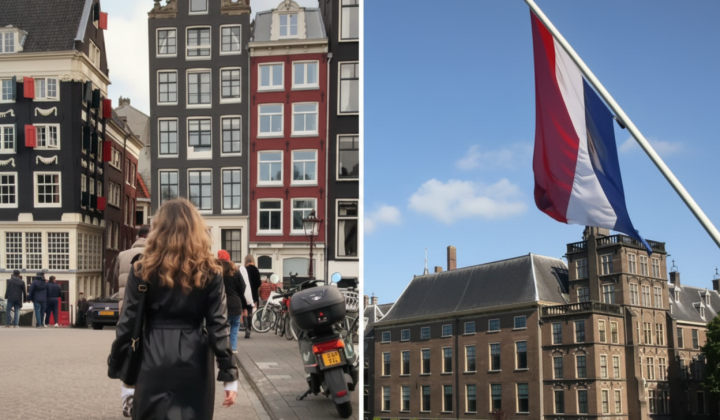
Polina Faustova's Experience of Life in the Netherlands
According to Главком: Polina Faustova, a Ukrainian who moved from Kharkiv to Germany before settling in Valencia, Spain, has shared her perspective on living in the Netherlands. Her account highlights several significant challenges she encountered, including the local mentality, weather, housing, healthcare, transport, and taxation.
The Challenges of Dutch Life
Polina describes the Dutch mentality as quite closed. The locals are direct in their communication, which can be surprising for newcomers. She notes:
“It's not the type of culture where you are quickly accepted as one of their own.”
She also emphasizes that the Dutch language is difficult, and a lack of proficiency severely limits normal life and work opportunities, despite many claiming that everyone speaks English. This is a common consideration for expats in Europe, where language can be a key to integration.
The weather in the Netherlands is characterized by gloomy, wet, and rainy days, with sunny days being a rarity. This can significantly impact mood and overall comfort for those accustomed to a sunnier climate.
Regarding housing, Polina states that finding a decent apartment in the Netherlands is nearly an impossible task for non-locals. She says:
“If you're not a local, finding a normal apartment is almost unrealistic. Plus, rent is very high, and you're often filtered out even before a viewing.”
High rental prices present a serious obstacle for many immigrants.
The Dutch healthcare system also has its drawbacks. Polina points out that getting a quick doctor's appointment is not easy, and insurance is expensive. This can be a source of anxiety for those in need of medical assistance.
Transportation costs in the Netherlands are considerable, adding further strain to residents' budgets. Polina observes that 'on top of that, there are high taxes and a high overall cost of living. Everything together creates a feeling that you are constantly spending more than you expected.' She stresses that for her, the Netherlands is a great country for tourism, but not one she would choose for permanent residence.
Thus, Polina Faustova's experience illustrates the difficulties of life in the Netherlands, which could be important considerations for those contemplating emigration.
Her account challenges the notion of the Netherlands as an ideal place to live. She outlines a series of barriers faced by immigrants, including:
- The language barrier
- The high cost of living
- Specifics of the healthcare system
These factors can influence the decisions of potential immigrants seeking new opportunities in European countries.
As Polina Faustova's experience illustrates, the challenges faced by Ukrainian immigrants are not isolated to the Netherlands. In Finland, many refugees are also leaving due to issues such as unemployment and language barriers. These shared struggles highlight the broader difficulties that newcomers encounter across Europe. To explore more about the situation faced by Ukrainian refugees in Finland, read our detailed report on the mass departure of Ukrainians from Finland.

Read also